Leather products are widely used in fashion, branding, packaging, and promotional industries. From wallets and handbags to phone cases and custom accessories, businesses are increasingly looking for efficient ways to create high-quality personalized designs on leather surfaces.
Among modern decoration technologies, UV printing has become one of the most popular solutions for direct printing on leather products because of its versatility, durability, and ability to produce vibrant full-color images.
In this article, we will explain how UV printing on leather works, what types of leather can be printed, common applications, advantages, limitations, and how to choose the right UV printer for leather products.
What Is UV Printing on Leather?
UV printing on leather is a digital printing process that uses ultraviolet light to instantly cure UV ink directly onto the leather surface.
Unlike traditional printing methods that require screens or heat transfer films, a UV printer can print images, logos, textures, and patterns directly onto leather materials with high precision.
The process is commonly completed using a:
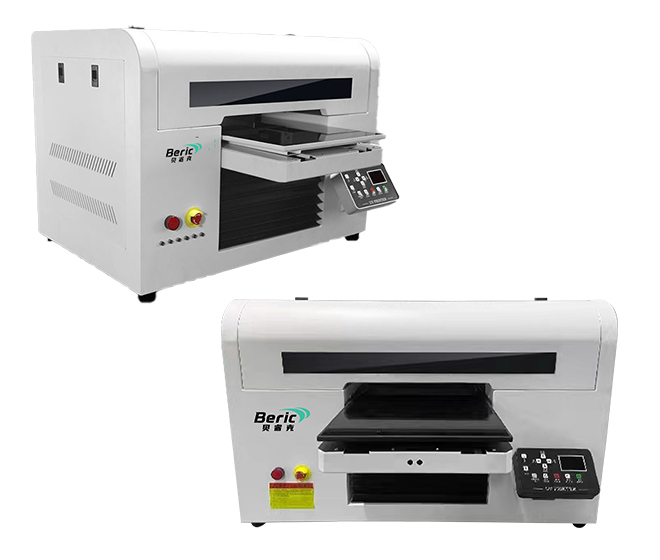
- impresora UV plana tradicional
- UV hybrid printer
- UV printer with rotary attachment (for curved leather products)
Because the ink cures instantly under UV lamps, the printed surface dries immediately and is ready for handling without long waiting times.
Can UV Printers Print on Leather?
Yes. Modern UV printing machines can print on many types of leather materials, including:
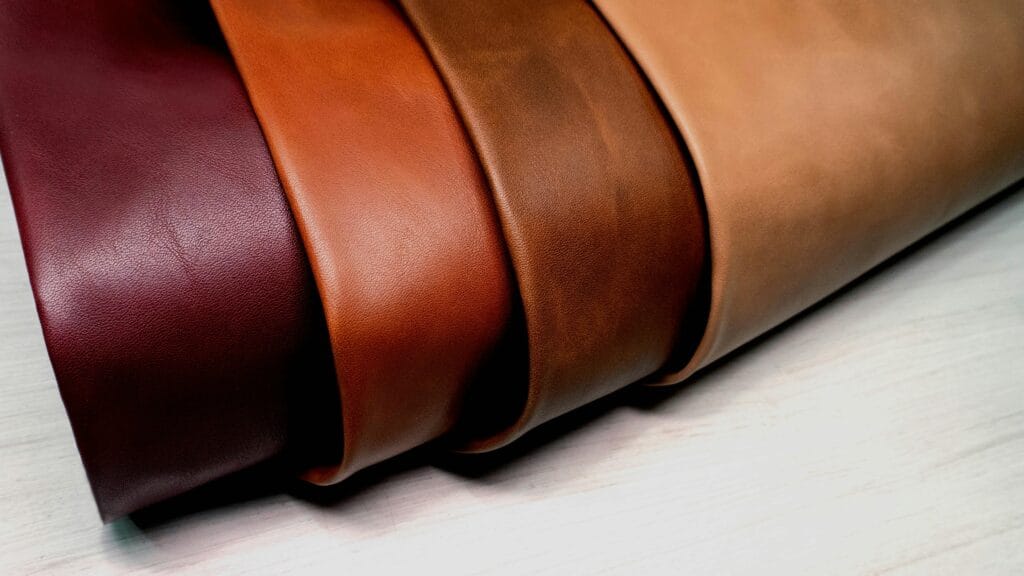
- Genuine leather
- PU leather
- Artificial leather
- Faux leather
- PVC leather
- Synthetic leather
However, printing results may vary depending on the texture, coating, softness, and absorbency of the material.
For some leather surfaces, applying a primer before printing may improve ink adhesion and scratch resistance.
Why UV Printing Is Popular for Leather Products
UV printing technology offers several advantages compared with traditional leather decoration methods such as screen printing, heat transfer, embossing, or laser engraving.
1. Direct Full-Color Printing
A UV flatbed printer can print complex full-color graphics directly onto leather without requiring plates or screens.
This makes it ideal for:
- Custom logos
- Brand graphics
- Personalized gifts
- Small batch production
- On-demand printing
2. Excellent Printing Detail
Modern UV printers support high-resolution printing, allowing small text, gradients, and detailed artwork to appear clearly on leather surfaces.
This is especially important for:
- Luxury packaging
- Fashion accessories
- Promotional products
- Custom branding items
3. Instant Drying
UV ink cures immediately under ultraviolet light.
Compared with solvent printing or traditional inks, UV printing reduces production time and improves workflow efficiency.
4. Suitable for Multiple Leather Products
One UV printing machine can handle many different applications, including:
- Leather wallets
- Handbags
- Belts
- Notebook covers
- Phone cases
- Leather tags
- Shoes
- Gift boxes
- Promotional items
This flexibility is one reason many customization businesses choose UV printers.
Common Applications of UV Printing on Leather
Customized Fashion Accessories
Fashion brands often use UV printing to add logos, artwork, or unique textures to leather products.
Popular customized products include:
- Wallets
- Card holders
- Handbags
- Cosmetic bags
Promotional Products
Many companies use UV printing machines to produce branded leather gifts for marketing campaigns.
Examples include:
- Leather keychains
- Business card holders
- Passport covers
- Corporate gift sets
Personalized Consumer Products
Personalization has become a growing market worldwide.
UV printing allows businesses to produce custom leather products with:
- Names
- Photos
- Artwork
- QR codes
- Unique designs
This is especially popular among Etsy sellers, gift stores, and print-on-demand businesses.
How Does the UV Printing Process Work?
The UV leather printing workflow is relatively simple.
Step 1: Prepare the Leather Surface
The leather surface should be clean, dry, and dust-free.
Some materials may require primer coating for better adhesion.
Step 2: Create the Design
The artwork is prepared using RIP software compatible with the UV printer.
Designs can include:
- CMYK graphics
- White ink layers
- Varnish effects
- Texture printing
Step 3: Direct UV Printing
The UV flatbed printer prints directly onto the leather material.
UV lamps instantly cure the ink during printing.
Step 4: Finishing and Inspection
After printing, the product is inspected for:
- Color consistency
- Ink adhesion
- Scratch resistance
- Surface quality
Finished products can usually be packaged immediately.
Is UV Printing Durable on Leather?
UV printing on leather can be highly durable when proper materials and printing settings are used.
Factors affecting durability include:
- Leather type
- Ink quality
- Surface coating
- Printer calibration
- Primer usage
For products exposed to frequent friction or bending, testing is recommended before mass production.
High-quality industrial UV printers combined with suitable UV inks generally provide good resistance against:
- Scratching
- Fading
- Water exposure
- Daily wear
UV Printing vs Other Leather Decoration Methods
UV Printing vs Screen Printing
UV printing is more suitable for:
- Small orders
- Personalized designs
- Multi-color graphics
- Fast design changes
Screen printing may still be preferred for large-volume single-color production.
UV Printing vs Heat Transfer
UV printing offers:
- Direct printing
- Better production efficiency
- Reduced transfer steps
- More precise image detail
Heat transfer methods may experience peeling over time depending on material quality.
UV Printing vs Laser Engraving
Laser engraving creates a carved effect, while UV printing produces colorful visual graphics.
Many businesses combine both technologies for premium leather products.
Choosing the Right UV Printer for Leather Products
When selecting a UV printer for leather applications, several factors should be considered.
Printing Size
Choose the machine size according to your products.
For example:
- Small UV printers for wallets and phone cases
- Large UV flatbed printers for bags and packaging panels
White Ink Support
White ink printing is important for dark leather materials because it improves color visibility.
Ink Adhesion Performance
Not all UV inks perform equally on leather surfaces.
Testing different ink formulations is important before commercial production.
Print Height Adjustment
Leather products may have uneven surfaces.
A UV printer with adjustable print height can improve printing stability.
Is UV Printing Good for Small Businesses?
Yes. Many startups and small businesses choose UV printing because it supports:
- Small batch customization
- Fast product development
- Personalized orders
- Multi-material printing
A compact UV flatbed printer can help businesses expand into markets such as:
- Personalized gifts
- Fashion accessories
- Promotional products
- E-commerce customization
This flexibility makes UV printing attractive for both new entrepreneurs and established print shops.
Reflexiones finales
UV printing on leather products has become an efficient and flexible solution for modern customization businesses.
With the right UV printer, suitable UV inks, and proper material preparation, businesses can produce high-quality leather products with vibrant colors and detailed designs.
As demand for personalized products continues to grow, UV printing technology is expected to play an increasingly important role in the leather goods industry.
Whether you are producing custom wallets, branded accessories, or promotional gifts, investing in a professional UV printing machine can help improve production efficiency and expand product possibilities.