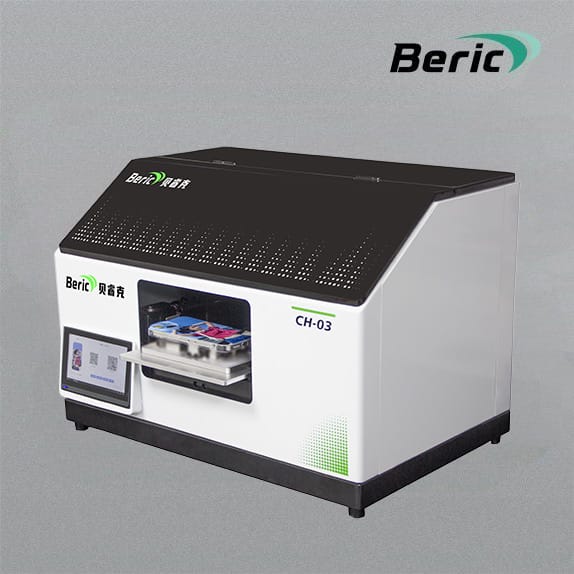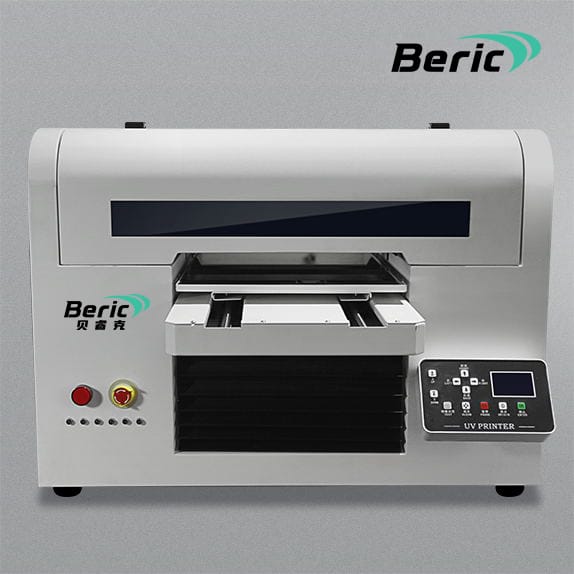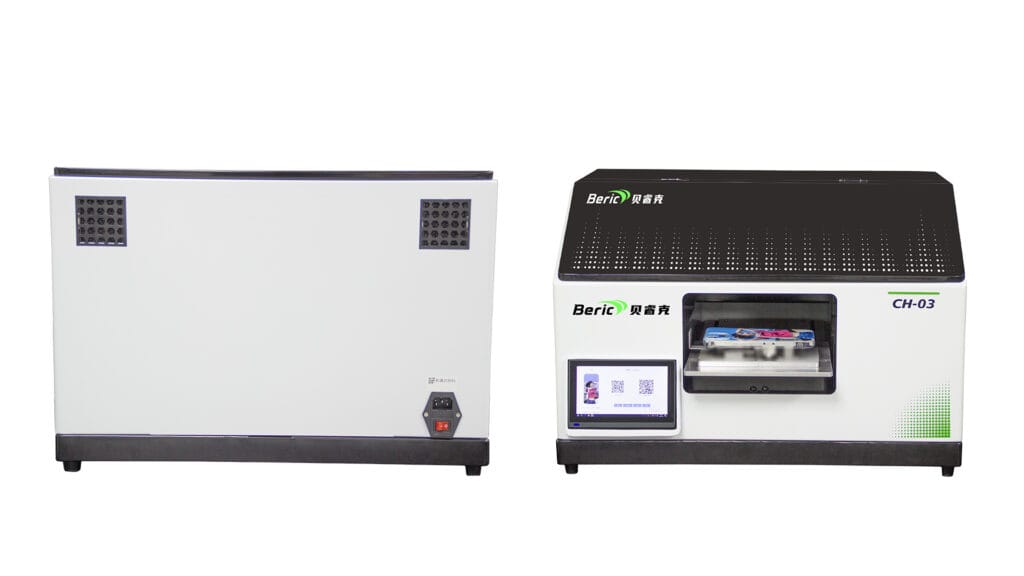
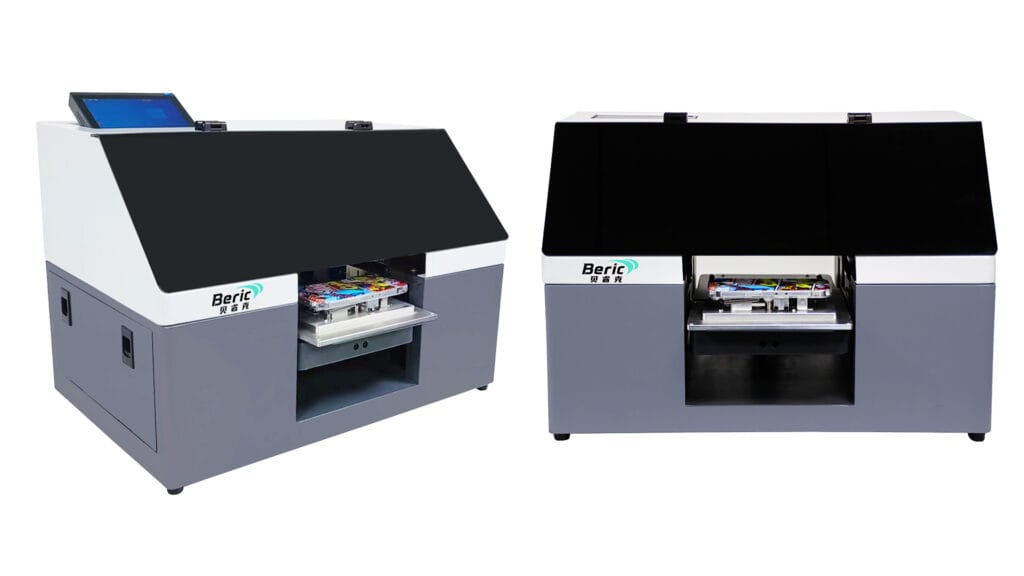
A compact UV printer is an increasingly popular solution for small workshops, custom product businesses, and on-demand printing services. It delivers UV printing technology in a smaller footprint while maintaining high-quality output suitable for commercial use.
This guide will help you understand the key factors to consider when choosing a compact UV printer for your business.
What Is a Compact UV Printer
A compact UV printer is a small-format impresora UV plana tradicional that uses ultraviolet light to instantly cure ink on a wide range of materials.
It can print on:
- Acrílico
- Madera
- Metal
- Vidrio
- Plastic materials such as ABS, PVC, PC, and PET
- Cuero
It is widely used for custom products, promotional items, and short-run production.
Key Advantages of Compact UV Printers
| Feature | Description |
|---|---|
| Small footprint | Suitable for limited workspace environments |
| Instant curing | UV ink dries immediately under UV light |
| Wide material compatibility | Supports rigid and flexible substrates |
| High customization capability | Ideal for personalized products |
| Lower investment cost | More affordable than large industrial systems |
Common Applications
Compact UV printers are commonly used in:
- Custom phone case printing
- Promotional gift production
- Señalización en acrílico
- Wooden crafts and souvenirs
- Small industrial parts marking
- Personalized retail products
These applications make compact UV printers highly attractive for e-commerce sellers and small manufacturing businesses.
Key Factors When Buying a Compact UV Printer
1. Print Size
Choose the size based on your product range:
- A4 / A3 format for small items such as phone cases and small gifts
- 60×90 cm for signage and medium-sized products
- Larger customized formats for industrial applications
2. Printhead Type
The printhead directly affects print quality and production speed:
- Epson-based printheads offer high precision but slower speed
- Ricoh and Konica printheads are designed for industrial durability and faster output
3. Ink Configuration
Check whether the printer supports:
- CMYK only
- CMYK plus white ink
- Varnish or gloss effects
White ink is essential for printing on dark or transparent materials.
4. Material Compatibility
A reliable compact UV printer should support:
- Rigid materials such as wood, acrylic, and metal
- Flexible materials like leather and TPU phone cases
- Cylindrical objects when equipped with a rotary attachment
5. Software and Workflow
Important factors include:
- Stable RIP software performance
- Accurate color management
- Efficient file processing for batch production
6. Maintenance and Technical Support
UV printers require regular maintenance to ensure stable performance:
- Printhead cleaning systems
- Ink circulation stability
- Availability of technical support and spare parts
For international buyers, after-sales support is often more important than the initial purchase price.
Who Should Buy a Compact UV Printer
Compact UV printers are ideal for:
- Small custom printing businesses
- Startups in personalized product manufacturing
- E-commerce sellers on platforms like Etsy and Amazon Handmade
- Workshop-based production studios
- Gift and souvenir manufacturers
If your business focuses on customization and short-run production, a compact UV printer is a strong investment.
Reflexiones finales
A compact UV printer is more than just a smaller printing machine. It is a flexible production tool that enables fast customization, diverse material printing, and efficient small-batch manufacturing.
When selecting a machine, prioritize print quality, stability, ink system configuration, and long-term service support rather than focusing solely on price.