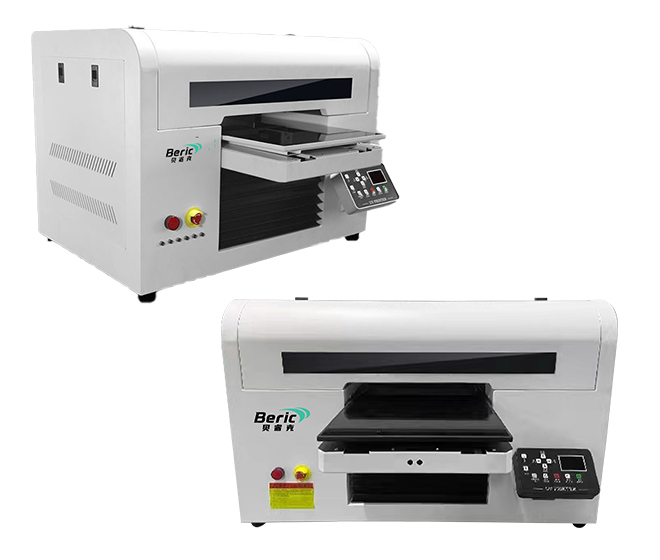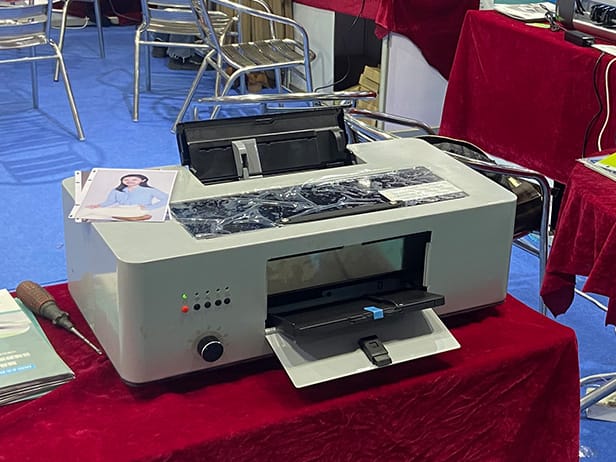
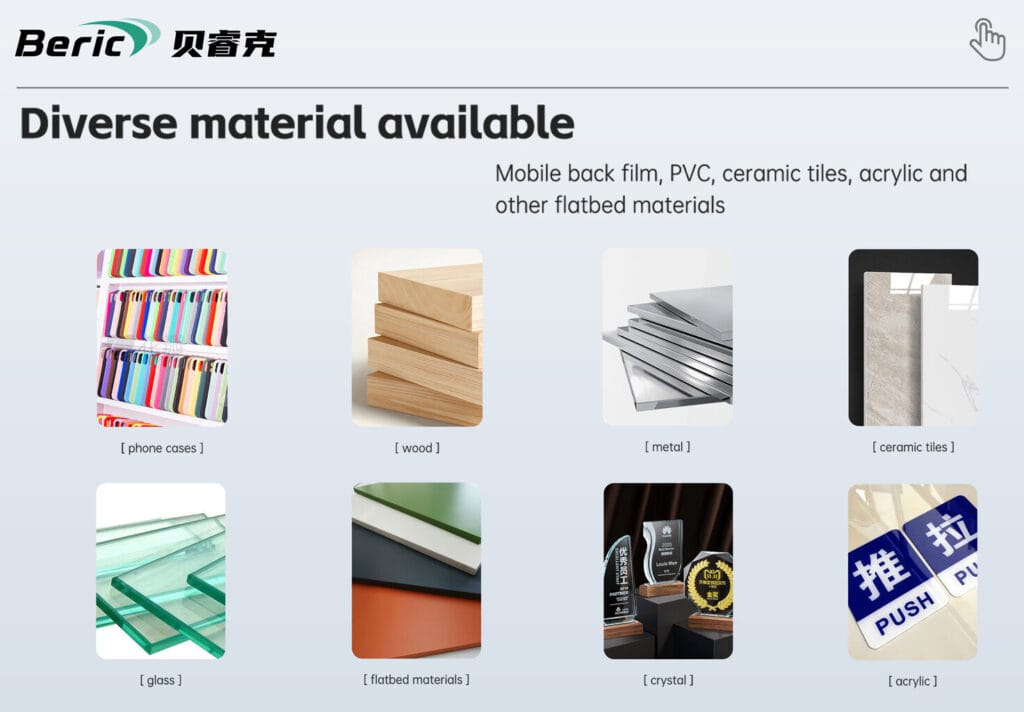
UV printing has become one of the most versatile and in-demand technologies in the printing industry. With a modern impresora UV, especially a UV flatbed printer, businesses can print directly onto a wide range of materials without complex processes.
In this guide, we’ll explore what materials UV printing can be used on, along with real-world applications to help you find the right opportunities for your business.
What Makes UV Printing So Versatile?
Unlike traditional printing methods, UV printing technology uses ultraviolet light to instantly cure ink on the surface. This allows the ink to sit on top of the material rather than being absorbed.
Key advantages:
- Works on both rigid and flexible materials
- No need for plates or lengthy setup
- Supports high-resolution, full-color printing
- Suitable for customized and small batch production
This is why UV printing machines are widely used across industries.
1. Printing on Acrylic
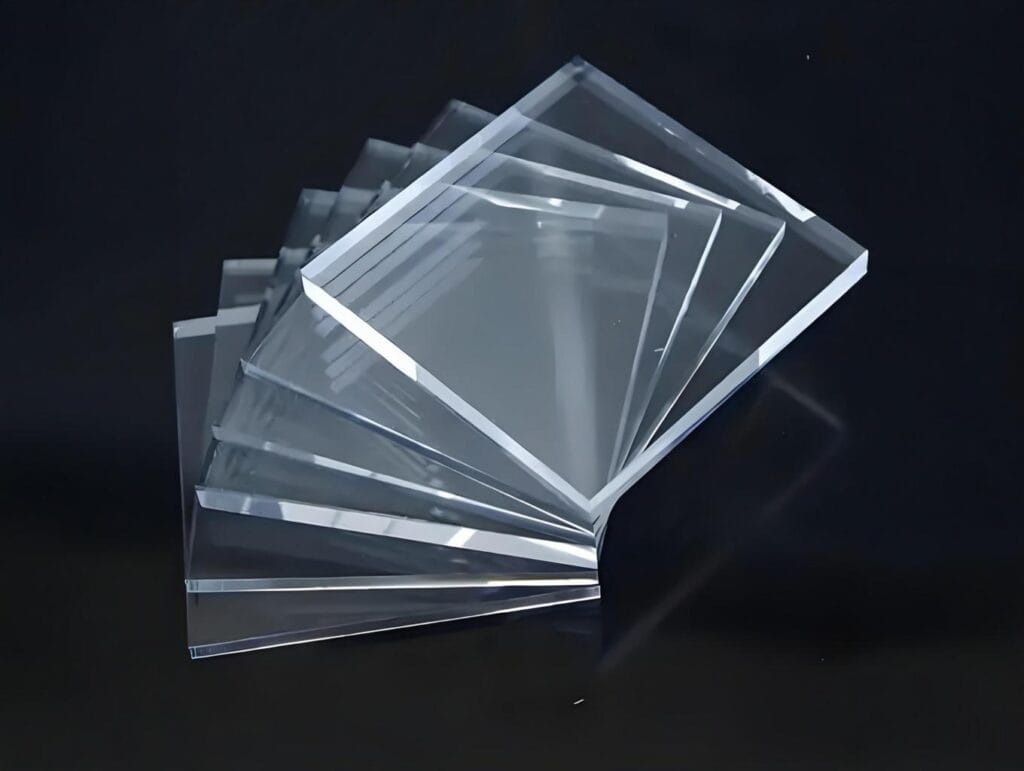
Acrylic is one of the most popular materials for UV printing.
Applications:
- Signage and display boards
- Lightboxes and advertising panels
- Decorative artwork
Why UV printing works well:
- Excellent color vibrancy
- Smooth surface ensures high detail
- Strong adhesion with proper settings
👉 Keyword focus: UV printer for acrylic
2. Printing on Wood
A UV printer for wood allows direct printing on natural or engineered wood surfaces.
Applications:
- Custom wood crafts
- Furniture decoration
- Wall art and interior design
Advantages:
- Natural texture combined with vivid printing
- Ideal for personalized and handmade-style products
3. Printing on Glass
Glass is another premium application for UV printing machines.
Applications:
- Glass doors and panels
- Interior decoration
- Kitchen backsplashes
Benefits:
- High-end visual effect
- Durable and scratch-resistant finish
- Suitable for both transparent and frosted glass
4. Printing on Metal
Using a UV flatbed printer, you can print directly onto various metal surfaces.
Applications:
- Industrial labels and nameplates
- Promotional items
- Customized metal panels
Key advantages:
- Strong adhesion with primer
- Resistant to wear and environmental exposure
👉 Keyword focus: UV printer for metal
5. Printing on Plastic
Plastic is widely used in commercial products, making it a key application area.
Applications:
- Phone cases
- Packaging materials
- Electronic product shells
Benefits:
- Compatible with ABS, PC, PET and more
- Ideal for mass customization
👉 Keyword focus: UV printer for plastic products
6. Printing on Leather
UV printing on leather is increasingly popular in fashion and accessories.
Applications:
- Bags and wallets
- Shoes
- Custom branding
Advantages:
- No need for embossing or heat transfer
- High precision for logos and patterns
7. Printing on Ceramic and Tiles
Ceramic materials are perfect for decorative printing.
Applications:
- Floor and wall tiles
- Bathroom and kitchen decoration
- Artistic ceramics
Benefits:
- Waterproof and heat-resistant prints
- Long-lasting color performance
8. Printing on Paper and Cardboard
While UV printing is known for rigid materials, it also works on paper products.
Applications:
- Packaging boxes
- Business cards
- Custom trading cards
👉 This is especially useful for:
- Etsy sellers
- Small businesses offering personalized products
9. Printing on Promotional Products
One of the fastest-growing markets for UV printing machines is customization.
Applications:
- Pens, USB drives
- Keychains
- Phone accessories
- Golf balls, gifts, and souvenirs
Why it’s profitable:
- High margin
- Low minimum order
- Ideal for on-demand production
10. Printing on Unusual or Specialty Materials
With the right setup, a UV printer can handle even more materials:
- PVC boards
- Foam board
- Stone and slate
- Rubber
- Composite materials
How to Choose the Right UV Printer for Different Materials
Not all machines are the same. Choosing the right UV printing machine depends on your application:
- UV flatbed printer → Best for rigid materials (wood, glass, metal)
- UV roll-to-roll printer → Best for flexible materials
- Hybrid UV printer → Supports both
Reflexiones finales
So, what materials can UV printing be used on?
👉 The answer is: almost anything with a flat or slightly curved surface.
From acrylic and wood to glass, metal, and plastic, UV printing technology opens up endless possibilities for customization and industrial applications.
If you’re looking to start or expand a printing business, investing in a reliable UV printer can help you tap into multiple markets—from signage and decoration to personalized products and promotional items.