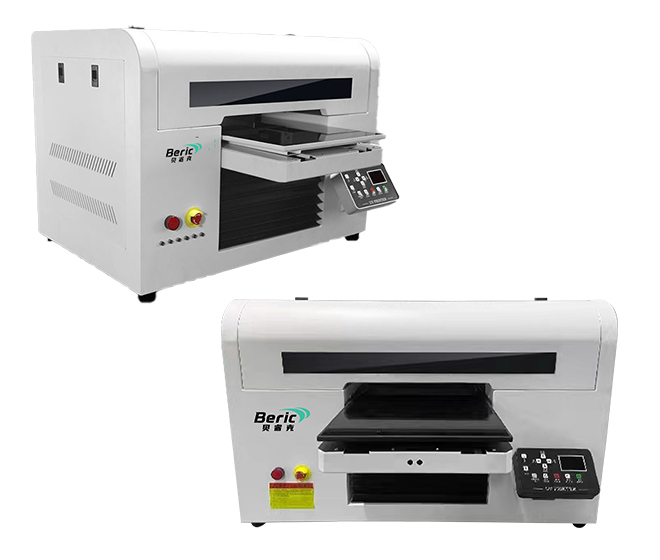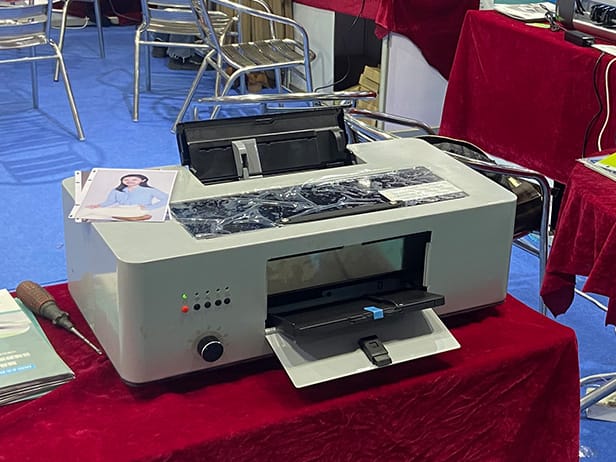
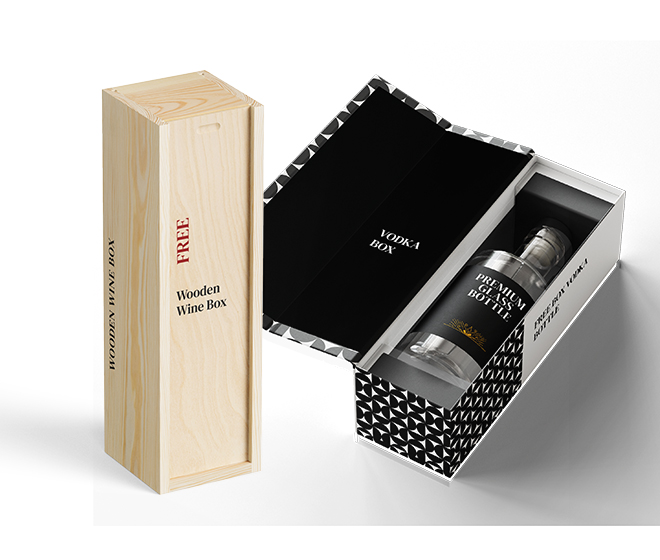
UV printing technology has become an efficient solution for businesses that need high-quality printing on various rigid materials. Unlike traditional printing methods, a UV printing machine can directly print images, logos, patterns, and textures on surfaces such as wood, glass, metal, and plastic.
With UV LED curing technology, UV printers provide fast drying, excellent color performance, and strong adhesion, making them widely used in customization, advertising, decoration, manufacturing, and industrial applications.
This guide explains how UV printing machines work, their applications on different materials, and how to choose the right UV printer for your business.
What Is a UV Printing Machine?
A UV printing machine is a digital printing device that uses ultraviolet light to instantly cure UV ink during the printing process. The UV LED lamps harden the ink immediately after it is applied to the surface, creating a durable and high-resolution image.
Unlike traditional printing equipment, UV printers do not require printing plates or transfer media. They can directly print on a wide range of materials, including wood, glass, metal, acrylic, PVC, and other plastic surfaces.
The main features of UV printing machines include:
- Direct printing on various materials
- High-resolution image output
- Fast UV ink curing
- Support for CMYK, white ink, and varnish printing
- Suitable for customized and small-batch production
UV Printing Machine for Wood
Wood is one of the most popular materials for UV printing applications. A UV printer for wood allows manufacturers to create decorative patterns, realistic textures, and personalized designs directly on wooden surfaces.
Applications of UV Printing on Wood
UV printing machines are widely used for:
- Wooden furniture panels
- Cabinet doors
- Decorative boards
- Wooden signs
- Interior decoration products
- Handmade wooden crafts
Advantages of UV Printing on Wood
Compared with traditional wood printing methods, UV printing offers:
- Direct printing without transfer paper
- High-definition patterns and images
- Customized production for different designs
- Strong adhesion and long-lasting colors
- Efficient production for small and medium batches
UV Printing Machine for Glass
Glass printing is another important application of impresión UV technology. A UV glass printing machine can produce high-quality images, patterns, and decorative effects on transparent and flat glass surfaces.
Applications of UV Printing on Glass
Common applications include:
- Glass doors
- Shower glass panels
- Decorative glass
- Mirrors
- Display glass
- Architectural glass decoration
Why Use UV Printers for Glass?
UV printers can print white ink and varnish layers, allowing manufacturers to achieve special effects such as:
- Solid colors on transparent glass
- Embossed visual effects
- Glossy or matte finishes
- Customized decorative designs
UV Printing Machine for Metal
Metal printing is widely used in industrial manufacturing, advertising, and customized product industries. A UV printer for metal can print detailed graphics and durable images on various metal surfaces.
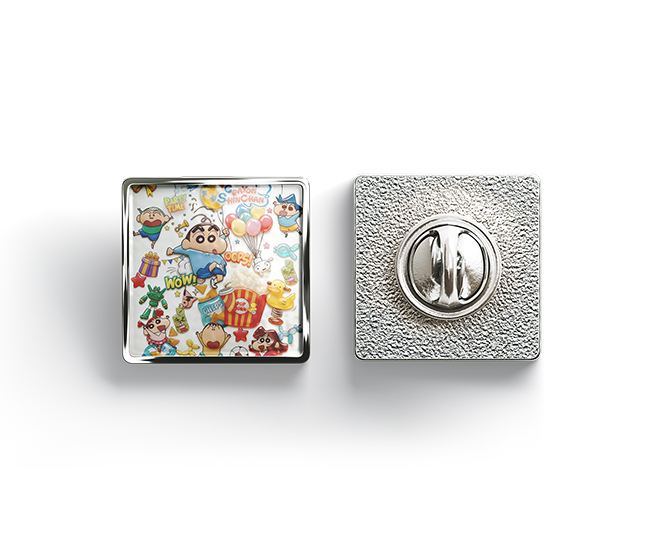
Applications of UV Printing on Metal
Typical applications include:
- Aluminum panels
- Stainless steel plates
- Metal signs
- Nameplates
- Equipment panels
- Industrial labels
Benefits of UV Metal Printing
impresión UV on metal provides:
- Excellent image quality
- Strong ink adhesion
- Resistance to fading
- Flexible customization options
- Alta velocidad de producción
For better adhesion on some metal surfaces, pre-treatment or primer solutions may be used depending on the material.
UV Printing Machine for Plastic
Plastic materials are widely used in consumer products, packaging, electronics, and industrial components. A UV printer for plastic enables direct printing on different plastic surfaces.
Suitable Plastic Materials for UV Printing
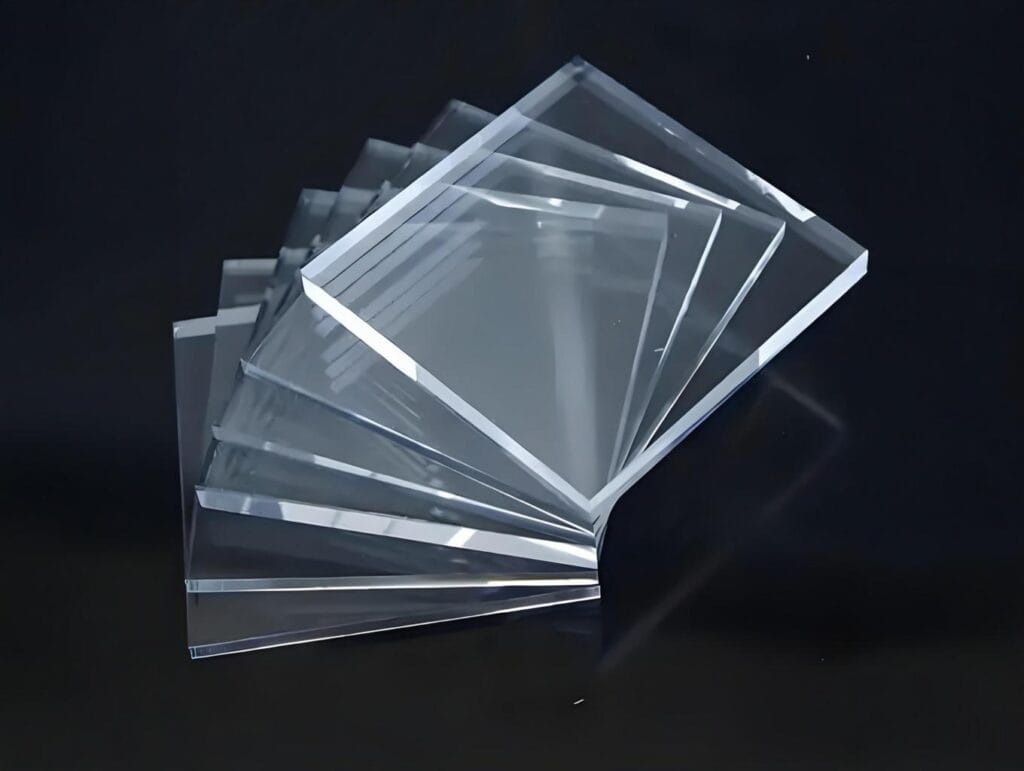
UV printing machines can print on:
- Acrílico
- PVC
- ABS
- Polycarbonate
- Plastic sheets
- Plastic products
Applications of UV Printing on Plastic
Common applications include:
- Acrylic signs
- Product packaging
- Electronic product housings
- Plastic panels
- Promotional products
Advantages of UV Plastic Printing
UV printing provides:
- High-quality graphics
- Fast curing performance
- Flexible customization
- Ability to print complex designs
- Suitable for different plastic products
How Does a UV Printing Machine Work?
The working process of a UV printing machine includes several steps:
1. Material Positioning
The printing material is placed on the flatbed platform. Many UV printers use vacuum tables or positioning systems to keep the material stable.
2. Inkjet Printing
The print head sprays UV ink onto the material surface according to the digital design file.
3. UV LED Curing
UV lamps immediately cure the ink, making the printed image dry and durable.
4. Surface Finishing
Additional varnish layers can be applied to create special effects, including glossy, matte, or embossed finishes.
Benefits of Using a UV Printing Machine
Print on Multiple Materials
One UV printer can handle different materials, including:
- Madera
- Vidrio
- Metal
- Plastic
- Acrílico
- Cuero
- Ceramic
This makes UV printers a versatile solution for many industries.
High-Resolution Printing
Modern UV printers support:
- CMYK color printing
- White ink printing
- Varnish printing
- High-resolution image output
This allows users to create detailed graphics and premium surface effects.
No Need for Printing Plates
Traditional printing methods often require plates or screens. UV printing eliminates these steps, reducing preparation time and production costs.
Suitable for Customization
UV printing machines are ideal for:
- Personalized products
- Small batch production
- Customized gifts
- Industrial marking
How to Choose the Right UV Printing Machine?
When selecting a UV printer for wood, glass, metal, and plastic printing, consider the following factors:
Printing Size
Choose a machine according to your product dimensions:
- A3 UV printer
- A2 UV printer
- A1 UV printer
- Large format UV flatbed printer
Ink Configuration
Different applications may require different ink systems:
- CMYK for standard color printing
- CMYK + White for dark or transparent materials
- CMYK + White + Varnish for special effects
Compatibilidad de materiales
Make sure the UV printer can handle your target materials, including:
- Material thickness
- Surface characteristics
- Ink adhesion requirements
Production Requirements
Consider:
- Velocidad de impresión
- Daily production volume
- Automation features
- Maintenance requirements
Applications of UV Printing Machines by Industry
| Industry | Printing Materials | Applications |
|---|---|---|
| Furniture Industry | Madera | Panels, cabinets, decoration |
| Glass Decoration | Vidrio | Doors, mirrors, decorative glass |
| Advertising Industry | Acrylic, Metal | Signs and displays |
| Electronics Industry | Plastic, Metal | Product housings and panels |
| Packaging Industry | Plastic | Customized packaging |
Conclusion
A UV printing machine for wood, glass, metal, and plastic provides an efficient and flexible printing solution for modern businesses. With direct printing technology, fast UV curing, and excellent material compatibility, UV printers help manufacturers create high-quality customized products.
Whether you are producing decorative panels, glass designs, metal signs, or plastic products, choosing the right UV printer can improve production efficiency and expand your business opportunities.
If you are looking for a reliable UV printing machine manufacturer, contact us for customized UV printer solutions based on your application requirements.