When choosing a printing method for custom production, many businesses compare UV flatbed printing and screen printing. Both technologies are widely used, but they serve different production goals, materials, and business models.
If you produce customized products, signage, industrial parts, promotional items, packaging, or decorative panels, understanding the differences can help reduce costs and improve efficiency.
In this guide, we compare impresoras UV planas vs screen printing in terms of process, cost, print quality, speed, materials, and ideal applications.
What Is UV Flatbed Printing?
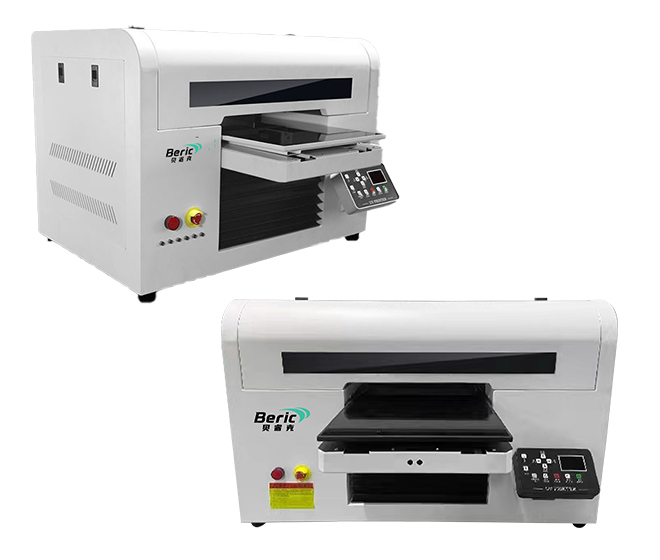
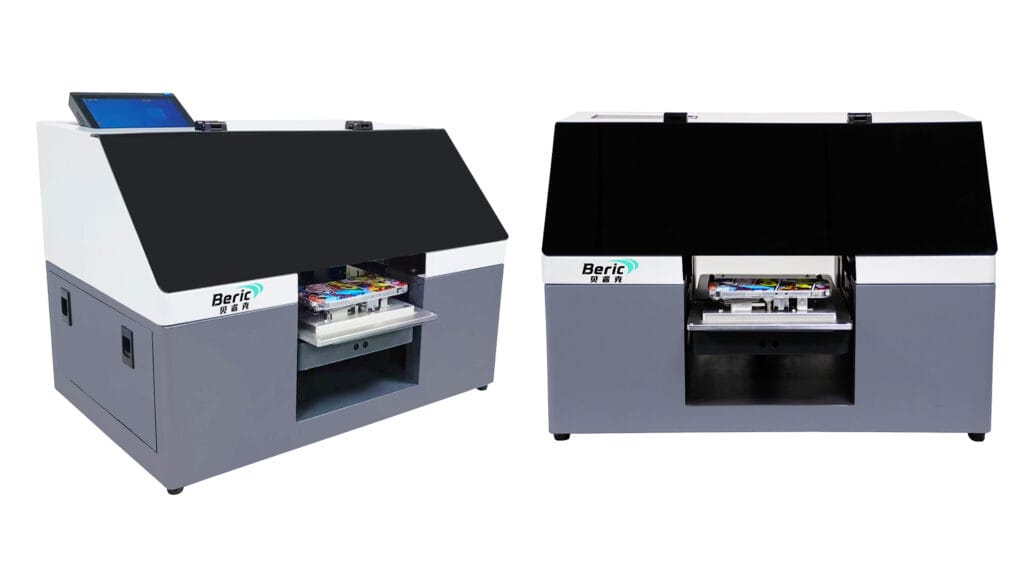
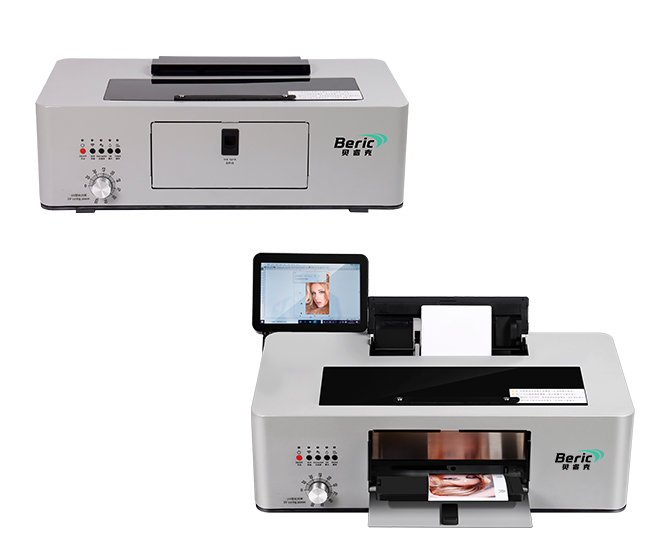
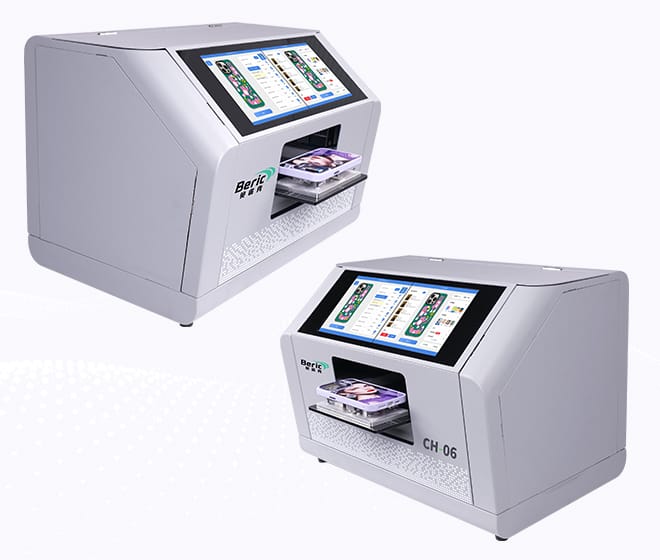
UV flatbed printing is a digital printing process that directly prints images onto flat materials using UV-curable ink.
After the ink is deposited, ultraviolet light instantly cures the ink surface, creating durable and vibrant prints.
Common printable materials include:
- Acrílico
- Madera
- Vidrio
- Metal
- PVC
- Foam board
- Plastic sheets
- Cuero
- Ceramic
- Cardboard
Unlike traditional methods, UV flatbed printing usually does not require plates or screens.
What Is Screen Printing?
Screen printing transfers ink through a prepared mesh screen onto the material surface.
Each color normally requires a separate screen, making setup more time-consuming but highly efficient for large production runs.
Screen printing is commonly used for:
- Textile printing
- Embalaje
- Promotional products
- Industrial labeling
- Signage
- Large-volume decorative printing
Because of its mature production process, screen printing remains popular for mass manufacturing.
UV Flatbed Printer vs Screen Printing: Key Differences
When Is UV Flatbed Printing Better?
UV flatbed printing is often the better choice when your business needs:
1. Custom and Personalized Products
Digital printing allows changing artwork instantly without additional setup costs.
Examples:
- Personalized gifts
- Custom promotional products
- Decorative panels
- Prototype production
2. Printing on Multiple Materials
One machine can handle many rigid substrates without changing production lines.
3. Fast Turnaround
Orders can move directly from file to production, reducing lead time.
4. High Graphic Detail
UV printing performs well for:
- Gradient images
- Small text
- Complex patterns
- Photographic content
When Is Screen Printing Better?
Screen printing may be a stronger option if your production focuses on:
1. Large Production Quantities
Once screens are prepared, unit cost becomes very competitive.
2. Simple Designs
Solid colors and repetitive graphics are highly efficient.
3. Specialized Ink Effects
Some applications require:
- Thick ink layers
- Special textures
- Functional coatings
4. Established Manufacturing Lines
Factories with existing screen equipment may prefer continuing with current workflows.
Cost Comparison: Which Is More Cost-Effective?
The answer depends on order quantity.
UV Flatbed Printing
Lower setup cost and stronger flexibility make it suitable for:
- Short runs
- On-demand production
- Multiple SKUs
Screen Printing
Higher initial preparation cost but lower cost per unit at scale.
A simple rule:
- Low quantity + frequent design changes → UV Flatbed Printer
- High volume + stable artwork → Screen Printing
Industries That Commonly Use UV Flatbed Printers
UV flatbed printers are increasingly used in:
- Advertising and signage
- Interior decoration
- Muestras de embalaje
- Industrial marking
- Gift customization
- Wood panel decoration
- Plastic product printing
- Electronics panels
Reflexiones finales
There is no universal winner between UV flatbed printers and screen printing.
If your business values customization, fast delivery, and printing on multiple materials, UV flatbed printing is often the more flexible solution.
If your focus is high-volume production with consistent designs, screen printing may still offer better economics.
Before investing, evaluate:
- Production volume
- Material types
- Product diversity
- Lead time requirements
- Long-term operating costs
Choosing the right technology should match your actual production goals rather than following industry trends.