Personalized products have become an important part of many printing and manufacturing businesses. Customers increasingly expect products that reflect their names, logos, images, patterns, or unique designs rather than standardized products.
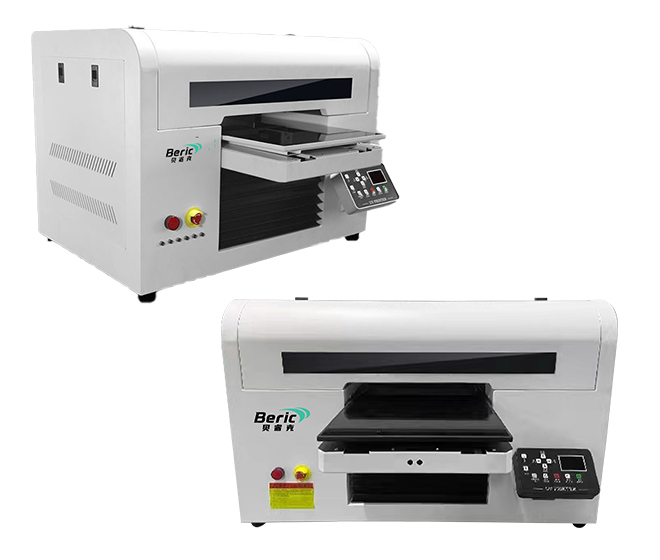
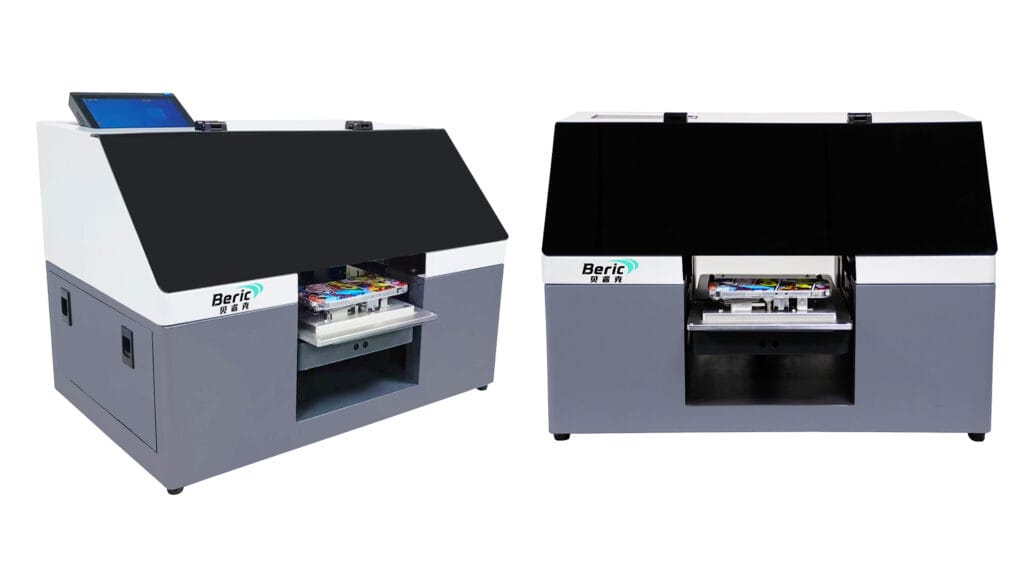
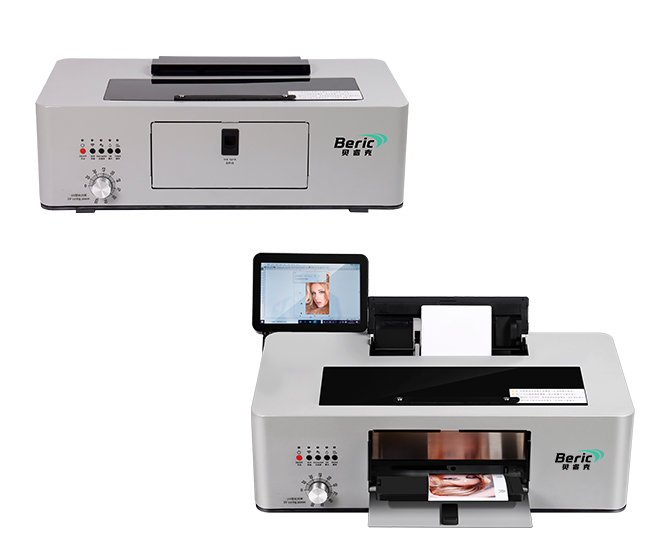
For businesses serving these demands, UV flatbed printing provides a flexible solution for producing customized graphics directly on a wide range of materials and products. With digital control, fast setup, and the ability to print variable designs, a impresora UV can support both one-off orders and small-batch personalized production.
Flexible Printing for Personalized Products
Traditional printing methods often require plates, screens, or other preparation before production. This can make small personalized orders less economical, especially when every product requires a different design.
A impresora UV plana tradicional works differently. Digital artwork can be sent directly to the printer, allowing businesses to change text, images, logos, and patterns from one item to the next without changing printing plates.
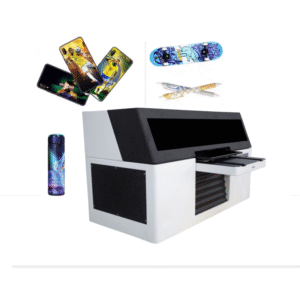
This makes UV printing suitable for products such as:
- Personalized gifts
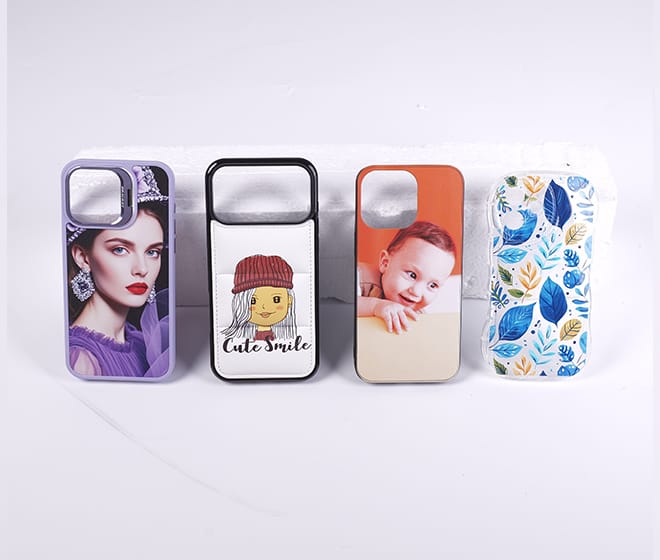
- Phone cases
- Promotional products
- Nameplates and signs
- Decorative panels
- Customized packaging
- Acrylic products
- Wood and metal items
- Plastic products
- Small industrial components
For businesses receiving orders with different designs, this flexibility can significantly simplify production.
Supporting One-Piece and Small-Batch Orders
Personalization often means that customers do not need hundreds or thousands of identical products. A customer may order a single customized phone case, while another customer may require 20 promotional items with different names or logos.
A digital UV printer is well suited to this type of production because each print file can contain different artwork. There is no need to produce a separate printing plate for every design.
As a result, businesses can accept:
- One-piece customization
- Short-run production
- Multiple designs in one order
- Personalized names and numbers
- Variable logos and graphics
- Customized images and patterns
This allows printing companies and product manufacturers to offer more flexible order quantities without relying exclusively on large-volume production.
Printing Directly on Different Materials
One of the major advantages of a flatbed UV printer is its ability to print directly onto many rigid and flat materials.
Depending on the printer configuration and ink system, UV printing can be used on materials including acrylic, glass, wood, metal, PVC, plastic, leather, and other printable substrates.
The flatbed structure also provides a stable printing platform for rigid products that are difficult to process using conventional roll-based printing equipment.
For a customization business, this means one impresora UV plana tradicional can potentially serve multiple product categories instead of being limited to a single application.
Fast Design Changes for Custom Orders
Personalized printing requires frequent design changes. A customer may request a different name, photograph, logo, or color combination for every order.
Because UV printing is digitally controlled, operators can modify the artwork and send a new file to the printer without lengthy mechanical setup.
This is particularly useful for businesses offering:
Names and Text
Personalized names, numbers, messages, and other variable information can be printed directly onto products.
Logos and Branding
Companies can customize promotional products with their logos, brand graphics, and marketing messages.
Images and Artwork
Photographs, illustrations, patterns, and other digital graphics can be printed without creating separate printing plates.
Multiple Designs
Different designs can be arranged within the same production batch, making small customized orders easier to manage.
Adding White Ink and Varnish Effects
Modern UV printers can be configured with additional ink channels such as white ink and varnish, expanding the possibilities for customized products.
White ink is particularly useful when printing on dark or transparent substrates. It can provide a white base layer beneath CMYK colors or create specific visual effects.
Varnish can be used to add glossy details or highlight selected areas of a design. By combining CMYK, white ink, and varnish, businesses can produce customized products with more visual depth and surface effects.
This is valuable for premium gifts, promotional products, packaging, signage, and decorative applications.
Reducing the Cost of Small Customized Orders
The economics of personalized production are different from those of mass production. When every order has a different design, minimizing setup time becomes just as important as maximizing printing speed.
A impresora UV plana tradicional can reduce some of the preparation associated with traditional printing processes because the artwork is transferred digitally to the printer.
Businesses can therefore build production models around:
- Low-volume customized orders
- On-demand printing
- Short production runs
- Rapid design changes
- Multiple products with different graphics
This can help businesses expand their product range without maintaining large inventories of pre-printed items.
Combining UV Printing with Product Customization
UV printing can become part of a broader personalized manufacturing workflow.
For example, a customization business may receive an order through its website, prepare the customer’s artwork, print the design using a impresora UV plana tradicional, and then complete any necessary assembly or packaging.
For products such as phone cases, signs, promotional items, and decorative products, this workflow allows businesses to move from digital artwork to finished customized products with relatively few production steps.
The printer can therefore serve not only as a printing machine but also as an important part of an on-demand customization business model.
Choosing a UV Printer for Customization
The right impresora UV depends on the products being customized and the expected production volume. Businesses should consider several factors before selecting equipment.
Printing Area
The working area should match the dimensions of the products being printed. A larger printing area provides greater flexibility for multiple products or larger substrates.
Compatibilidad de materiales
Consider the materials that will be printed, such as acrylic, wood, metal, glass, PVC, plastic, or other substrates.
Ink Configuration
CMYK is suitable for standard color printing, while white ink and varnish can provide additional capabilities for customized products.
Printing Height
If the business needs to print directly onto three-dimensional objects or thicker products, the maximum printable height becomes an important specification.
Production Volume
A desktop UV printer may be suitable for samples and small customized orders, while businesses with higher production requirements may need a larger industrial UV flatbed printer.
Expanding a Personalized Printing Business
Personalization creates opportunities for businesses to move beyond standardized products and offer customers more choices.
With the flexibility of UV flatbed printing, businesses can produce different designs without changing physical printing plates, accept small quantities, and print directly onto a variety of products and materials.
For companies focused on customized gifts, promotional products, signage, phone cases, decorative items, and other personalized products, a impresora UV can provide a practical digital printing solution for developing flexible, on-demand production services.
As demand for customized products continues to grow, UV printing gives businesses the flexibility to turn digital designs into personalized physical products with shorter production cycles and greater product variety.