When choosing the right printing method for your business, two of the most common options are UV printing and screen printing. Each technology has its own strengths, limitations, and ideal applications.
In this guide, we’ll compare UV printing vs screen printing in terms of process, materials, cost, durability, and business suitability—helping you decide which solution is best for your needs.
¿Qué es la impresión UV?
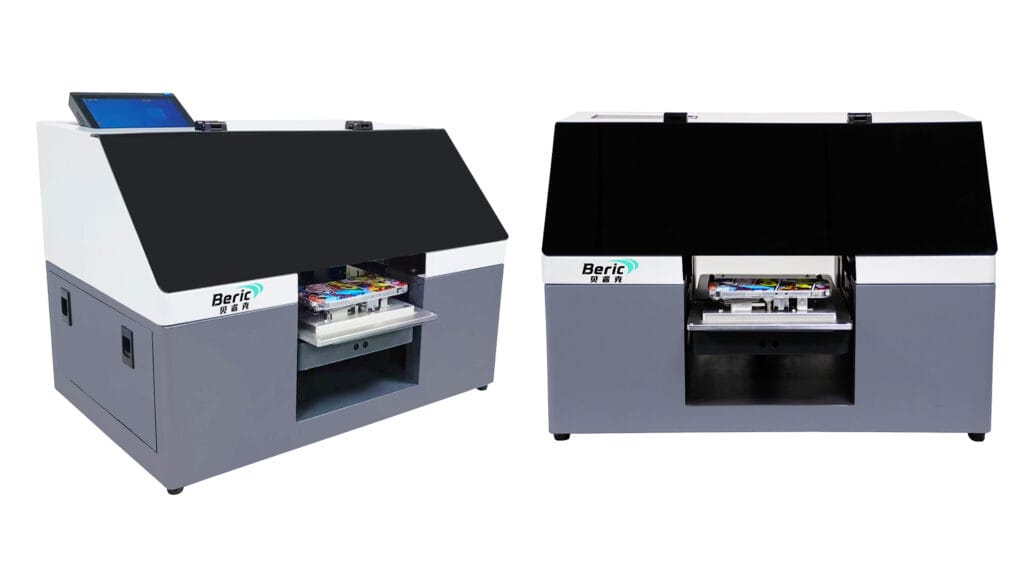
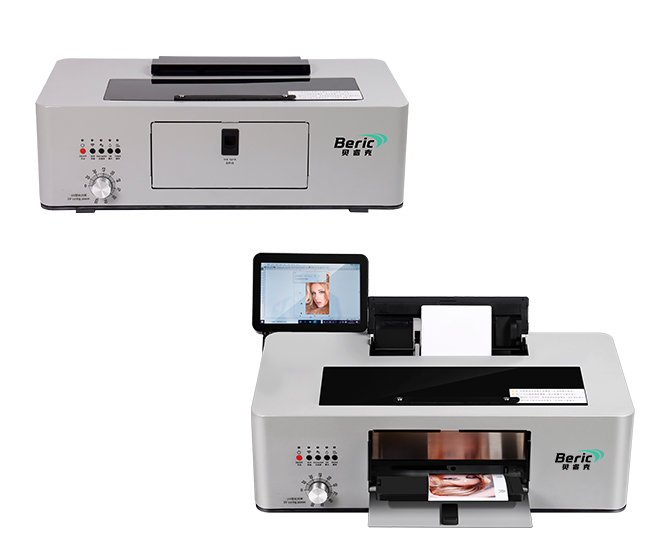
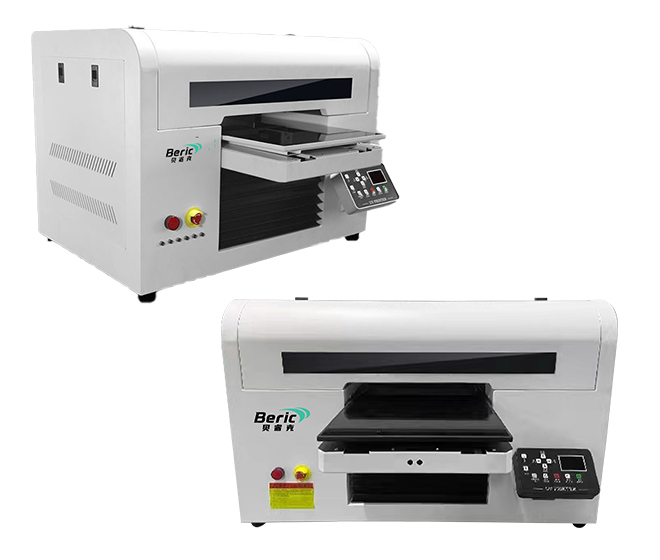
UV printing is a modern digital printing method that uses ultraviolet light to instantly cure (dry) ink as it is printed. A UV printer, especially a impresora UV plana tradicional, can print directly onto a wide range of materials without the need for plates or pre-treatment in many cases.
Key Features of UV Printing:
- Instant curing with UV light
- Direct-to-surface printing
- High-resolution, full-color output
- Compatible with rigid and flexible materials
Common applications include:
- Acrylic sheets
- Wood panels
- Vidrio
- Metal
- Plastic products
- Promotional items and customized products
What Is Screen Printing?
Screen printing (also known as silk screen printing) is a traditional printing method that uses a mesh screen and stencil to transfer ink onto a surface. Each color requires a separate screen, making it more suitable for bulk production.
Key Features of Screen Printing:
- Ink is pushed through a stencil (screen)
- Requires setup for each design and color
- Best for large-volume production
- Works well on textiles and flat surfaces
Typical applications include:
- T-shirts and garments
- Packaging materials
- Posters and signage
- Industrial markings
UV Printing vs Screen Printing: Key Differences
1. Printing Process
- UV printing is digital and requires minimal setup. You can print directly from a file.
- Screen printing requires manual preparation, including screen creation for each design.
👉 Winner: UV printing (faster and more flexible)
2. Material Compatibility
- UV printers can print on almost any surface, including glass, metal, wood, and plastic.
- Screen printing is more limited and works best on fabric and flat materials.
👉 Winner: UV printing (wider material range)
3. Cost Structure
- UV printing has a higher initial machine cost but low setup cost per job.
- Screen printing has low equipment cost but high setup cost, especially for multi-color designs.
👉 Best choice depends on volume:
- Small batch → UV printing
- Mass production → Screen printing
4. Print Quality
- UV printing offers high resolution, gradients, and photo-quality output.
- Screen printing produces vibrant colors but limited detail for complex images.
👉 Winner: UV printing (better detail and precision)
5. Production Speed
- UV printing is ideal for on-demand and short runs.
- Screen printing becomes faster and more cost-effective for large quantities.
👉 Winner: Depends on order size
6. Durability
- UV printing produces scratch-resistant and waterproof prints, especially with proper coating.
- Screen printing is also durable, particularly on textiles.
👉 Both are durable, but UV printing performs better on hard surfaces
Pros and Cons
Advantages of UV Printing
✔ No plate-making required
✔ Suitable for small batch and custom orders
✔ Works on multiple materials
✔ High-quality and detailed printing
✔ Ideal for personalized products
Disadvantages of UV Printing
✖ Higher machine investment
✖ Ink cost can be higher
✖ Requires proper maintenance
Advantages of Screen Printing
✔ Cost-effective for bulk production
✔ Strong ink coverage and vibrant colors
✔ Proven traditional method
Disadvantages of Screen Printing
✖ Time-consuming setup
✖ Not suitable for small orders
✖ Limited material compatibility
✖ Difficult for complex designs
Which One Should You Choose?
Choosing between UV printing and screen printing depends on your business model:
- If you focus on customized products, small batches, or multiple materials, a UV printer (especially a UV flatbed printer) is the best choice.
- If your business handles large-volume orders with simple designs, screen printing may be more cost-effective.
Reflexiones finales
Both UV printing and screen printing have their place in modern manufacturing. However, with the rise of customization and on-demand production, UV printing machines are becoming increasingly popular among small businesses, startups, and industrial manufacturers alike.
If you’re looking for a flexible and scalable solution, investing in a reliable UV printer can open up a wide range of opportunities across industries.