Sign makers today face increasing demands for short lead times, durable output, and the ability to print on a wide range of rigid materials.
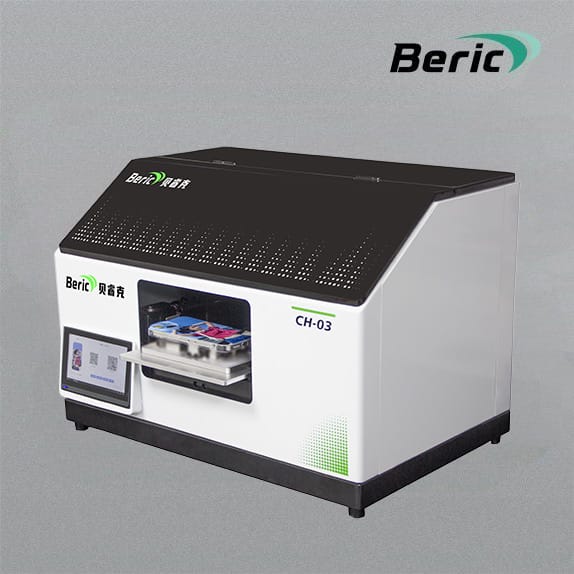
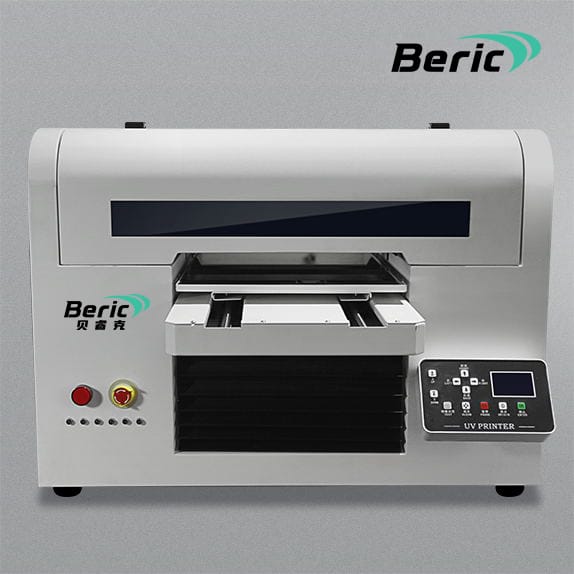
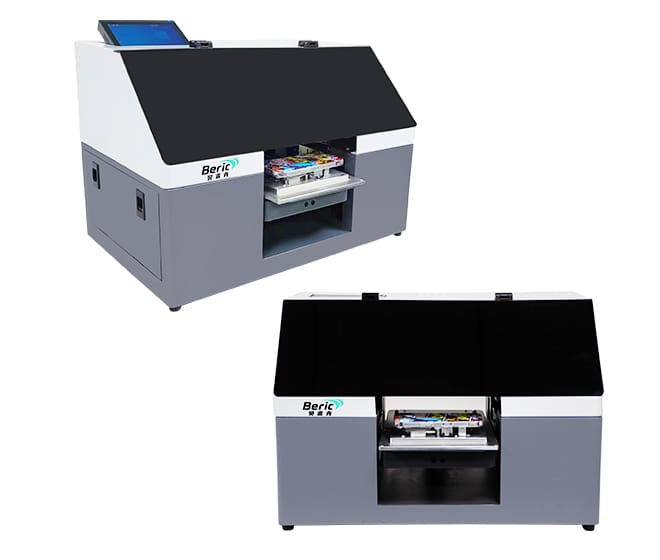
For many sign businesses, impresora UVs are not a new technology—but a production tool that directly affects cost, efficiency, and product capability.
This article explains how UV printers are actually used in the sign making industry, focusing on real production scenarios rather than basic explanations.
Direct Printing on Rigid Sign Materials
One of the most common uses of UV printers in sign production is direct-to-substrate printing.
Instead of printing on vinyl and mounting it manually, sign makers print directly onto rigid materials.
Typical substrates include:
Acrylic panels
PVC and foam boards
Aluminum composite panels (ACP)
Vidrio
This approach reduces labor steps, minimizes installation errors, and shortens production cycles—especially for custom or short-run signage.
Outdoor Sign Production Without Lamination
Outdoor signage requires long-term resistance to sunlight, moisture, and temperature changes.
UV printing allows sign makers to produce durable outdoor signs without mandatory lamination in many applications.
Common uses include:
Storefront signs
Directional and wayfinding signs
Parking and safety signage
By eliminating lamination, shops reduce both material costs and production time while maintaining acceptable durability.

White Ink and Layered Printing for Premium Signs
UV printers support white ink and multi-layer printing, which are essential for modern sign design.
These capabilities are widely used for:
Backlit acrylic signage
Glass signs with controlled transparency
Double-sided window graphics
Layered UV printing enables higher visual impact and premium finishes that are difficult to achieve with traditional printing methods.
Small-Batch and Custom Sign Manufacturing
The sign industry increasingly relies on short runs and customized orders rather than mass production.
UV printers allow sign shops to handle:
One-off signage
Personalized branding projects
Low-quantity promotional signs
With no plates or screens required, UV printing keeps setup costs low, making small orders profitable.
Replacing Multiple Printing Processes with One Machine
A single impresora UV plana tradicional can often replace several traditional processes, including:
Vinyl printing and mounting
Screen printing for rigid boards
Outsourced specialty printing
This consolidation helps sign shops:
Reduce equipment investment
Simplify operator training
Improve overall workflow efficiency
For growing businesses, this flexibility is a major advantage.
When UV Printing Is Not Ideal for Sign Making
UV printers are not the best solution for every sign application.
They may be less suitable for:
Long roll-to-roll banner production
High-speed mass printing of flexible media
Extremely low-cost disposable signage
Including these limitations helps sign makers choose the right technology and improves content credibility.
Key Factors When Choosing a UV Printer for Sign Production
When selecting a UV printer for sign manufacturing, sign shops typically focus on:
Maximum print size and table format
White ink stability and circulation
Ink adhesion across common sign materials
Production speed versus print quality
Local service support and spare parts availability
These factors directly affect daily output, maintenance requirements, and long-term operating costs.
Why UV Printers Have Become Standard Equipment in Sign Shops
UV printers enable sign makers to produce durable, high-quality signs across multiple materials with shorter turnaround times.
Their ability to handle both standard and custom signage makes them a practical investment for modern sign businesses.
For sign shops aiming to expand capabilities while controlling costs, UV printing remains one of the most versatile production solutions available.