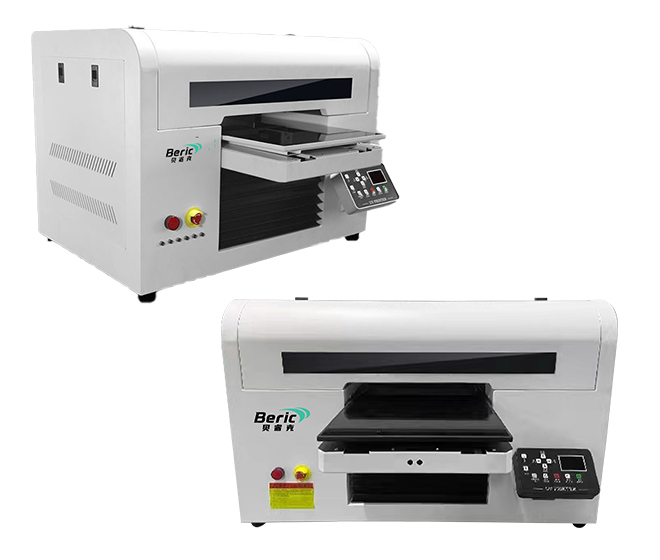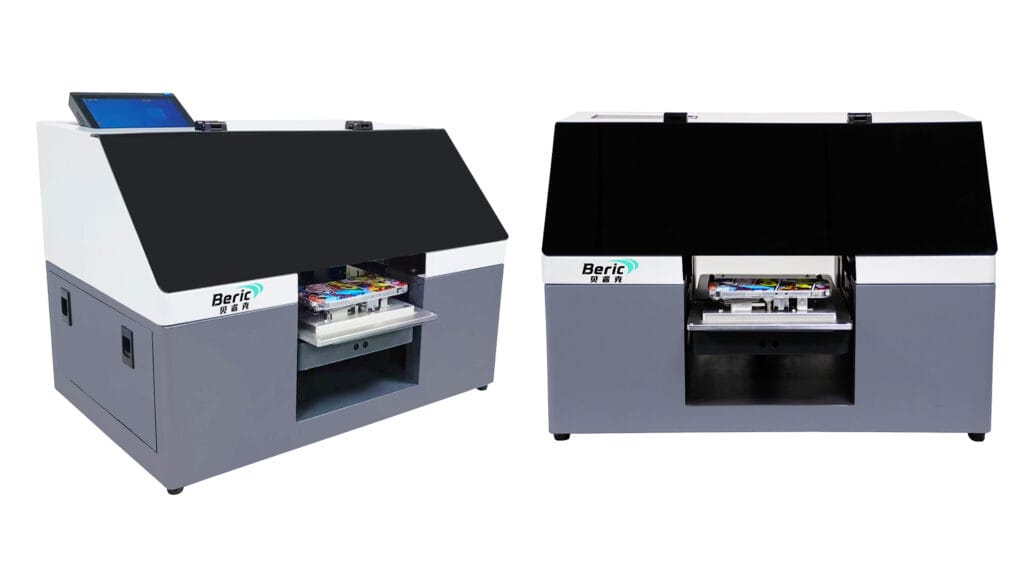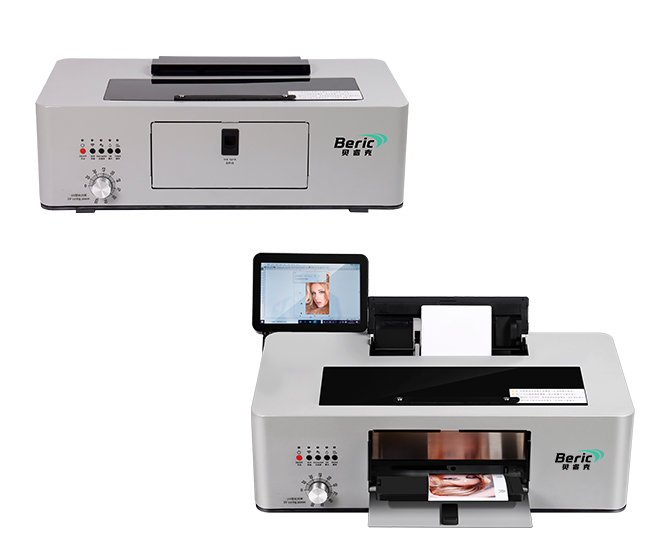
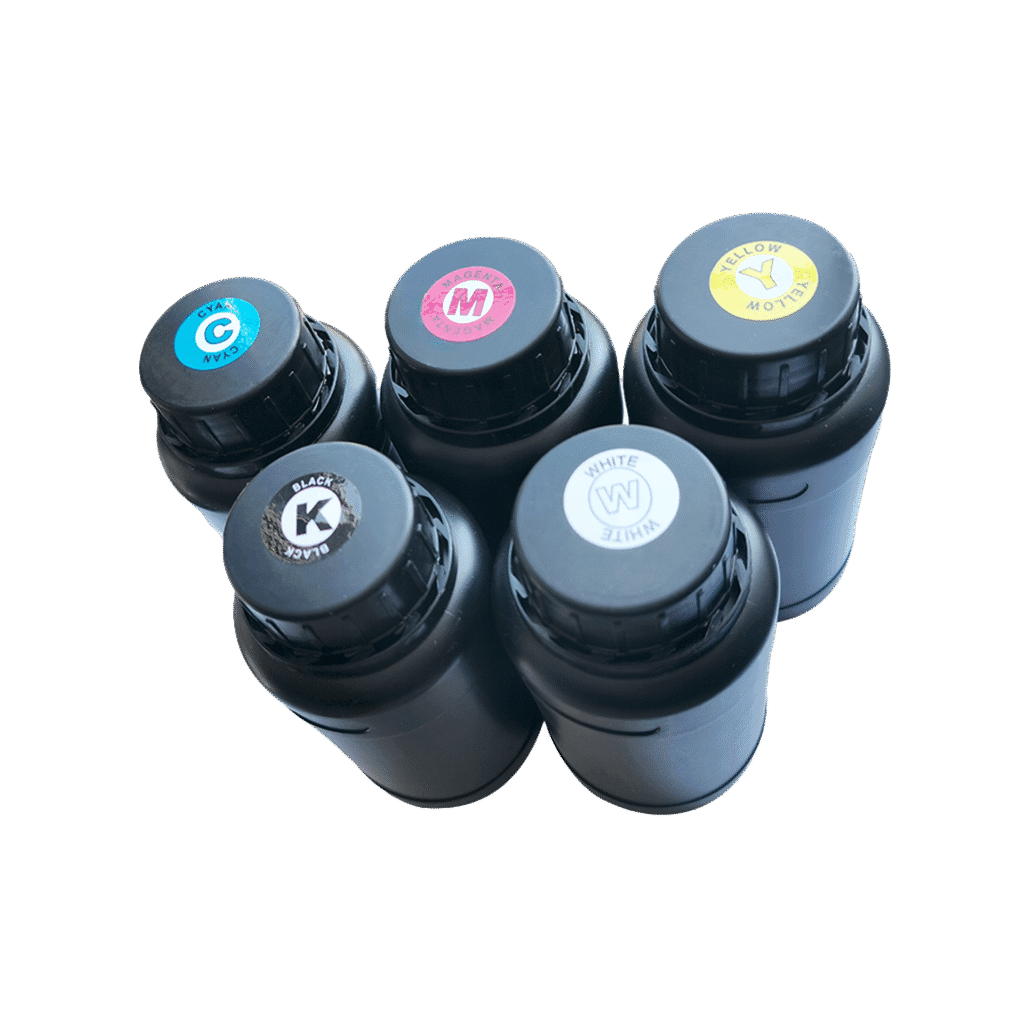
UV flatbed printer ink plays an important role in achieving high-quality printing results. Unlike traditional printing inks, UV inks are cured instantly by ultraviolet light, allowing them to print directly on a wide range of materials with excellent color performance and durability.
For businesses using UV flatbed printers, choosing the right ink is essential to ensure strong adhesion, vibrant colors, and long-lasting printed products.
What Is UV Flatbed Printer Ink?
UV flatbed printer ink is a specially formulated ink designed for UV printing machines. During the printing process, UV LED lamps instantly cure the ink after it is deposited on the surface, creating a durable printed layer.
This technology enables direct printing on various materials, including:
- Phone cases
- Acrylic sheets
- Vidrio
- Madera
- Metal
- Plastic products
- Promotional items
Compared with conventional printing methods, UV ink provides greater flexibility for customized and short-run production.
Main Types of UV Printer Ink
1. Hard UV Ink
Hard UV ink is commonly used for rigid materials with smooth surfaces. It offers excellent hardness, scratch resistance, and stable printing performance.
Typical applications include:
- Acrylic boards
- Glass products
- Plastic panels
- Metal signs
2. Soft UV Ink
Soft UV ink is designed for flexible materials. It maintains good adhesion and flexibility after curing, preventing cracks when the printed material bends.
Common applications include:
- Silicone products
- Flexible phone cases
- Leather surfaces
- Soft packaging materials
3. Flexible UV Ink
Flexible UV ink provides a balance between hardness and elasticity. It is suitable for applications where products require both durability and slight flexibility.
4. White UV Ink
White ink is an important feature of many UV flatbed printers. It can be used as a base layer on dark or transparent materials, helping improve color brightness and printing effects.
5. Varnish UV Ink
Varnish ink is used to create special surface effects, such as glossy finishes, textures, and enhanced visual effects. It is often applied for premium customized products.
Key Features of Quality UV Printer Ink
High-quality UV ink should provide:
Strong Adhesion
The ink should bond firmly with different materials to ensure long-lasting printing results.
Bright and Accurate Colors
Premium UV inks deliver sharp details, smooth gradients, and consistent color output.
Fast Curing Performance
Instant UV curing improves production efficiency and reduces waiting time.
Durabilidad
UV ink offers resistance to scratches, fading, and environmental factors, making printed products more reliable.
Applications of UV Flatbed Printer Ink
UV printer ink is widely used in industries requiring customized and direct printing solutions, including:
- Personalized phone case printing
- Advertising and signage production
- Gift customization
- Packaging decoration
- Industrial product marking
- Promotional products
With the development of digital printing technology, UV flatbed printers and UV inks have become an efficient solution for businesses requiring flexible production.
Choosing the Right UV Ink for Your UV Printer
The best UV ink depends on the printer model, printhead type, and application requirements. Factors such as material compatibility, color performance, adhesion, and durability should be considered before selecting ink.
Using compatible UV ink with a reliable UV flatbed printer helps maintain stable printing quality and extend equipment performance.
Beric UV Flatbed Printer Solutions
Beric provides professional impresoras UV planas designed for customized printing applications. With reliable UV printing technology and compatibility with different materials, Beric printers help businesses achieve high-quality printing results for phone cases, promotional products, and various customized items.
Choosing the right printer and ink combination allows businesses to improve production efficiency and create more competitive personalized products.