UV printing has become an important digital printing solution for customized products, signage, packaging, promotional items, and industrial applications. In 2026, UV printing machines are available in different configurations, including flatbed, roll-to-roll, hybrid, and specialized cylindrical models.
The best UV printing machine depends on printing materials, working size, production volume, required print quality, and application requirements.
UV Printing Machine Technology in 2026
Modern UV printing machines use UV-curable inks and LED UV curing systems. The ink is cured immediately after being deposited onto the printing surface, allowing direct printing on many rigid and flexible materials.
Common ink configurations include CMYK, light cyan, light magenta, white, and varnish. White ink supports printing on dark and transparent substrates, while varnish can be used to create gloss and special surface effects.
Professional UV Printer Configurations
Different machine configurations are designed for different production requirements.
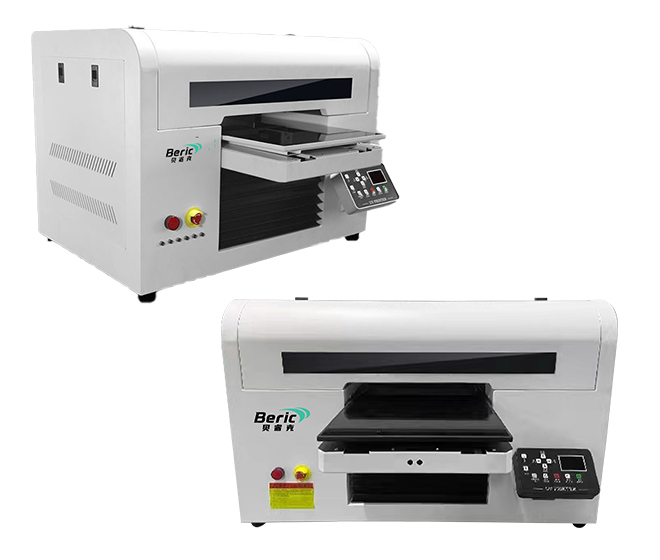
UV Flatbed Printer
UV flatbed printers are designed for direct printing on rigid materials. A vacuum table keeps the substrate stable during printing.
Typical applications include:
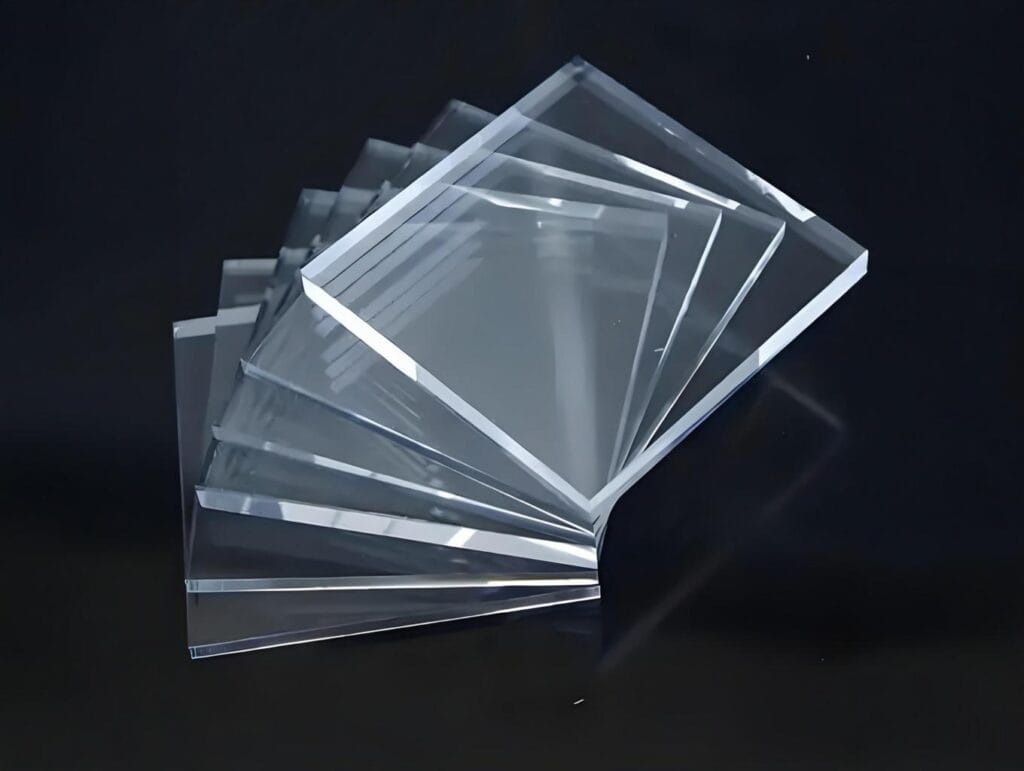
- Acrylic sheets
- Glass
- Wood
- PVC boards
- Metal sheets
- Ceramic products
- Promotional products
- Customized signs
UV Roll-to-Roll Printer
Roll-to-roll UV printers are designed for flexible materials supplied from rolls. They are suitable for continuous production and large-format printing.
Typical applications include banners, vinyl, films, wallpaper, labels, and flexible advertising materials.
UV Hybrid Printer
Hybrid UV printers combine flatbed and roll-to-roll printing capabilities. This configuration provides greater flexibility for businesses working with both rigid and flexible substrates.
A hybrid machine can reduce the need for separate printing equipment when a business has a wide range of printing applications.
Key Features of a UV Printing Machine
Several machine components directly influence printing quality, production efficiency, and maintenance requirements.
Industrial Printheads
Printhead selection affects resolution, ink placement, printing speed, and machine stability. Epson, Ricoh, Kyocera, and Konica Minolta printheads are commonly used in professional UV printing equipment.
UV LED Curing System
A stable UV LED curing system ensures efficient ink curing while minimizing heat exposure to the printing material.
White Ink Circulation
White ink is important for printing on transparent, dark, and colored substrates. An automatic white ink circulation system helps reduce ink sedimentation and maintain stable white ink performance.
Precision Media Positioning
Accurate media positioning is essential for high-resolution graphics and repeatable production. Vacuum tables, automatic height detection, and precise carriage movement can improve printing consistency.
RIP Printing Software
RIP software controls color management, ink distribution, image processing, and printing modes. Reliable RIP software can help achieve consistent color reproduction and efficient production.
UV Printer Applications
UV printing machines are used across a wide range of commercial and industrial applications.
Customized Product Printing
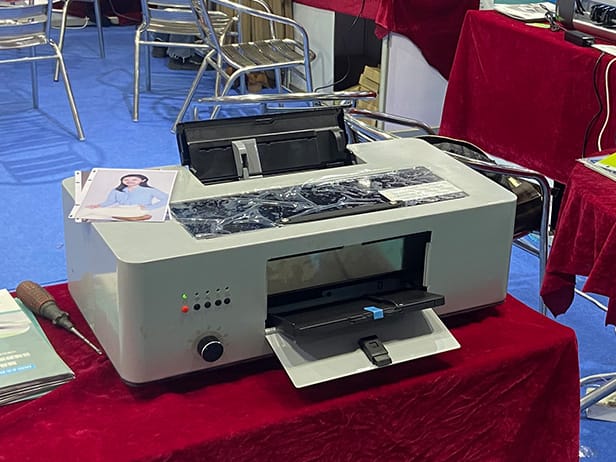
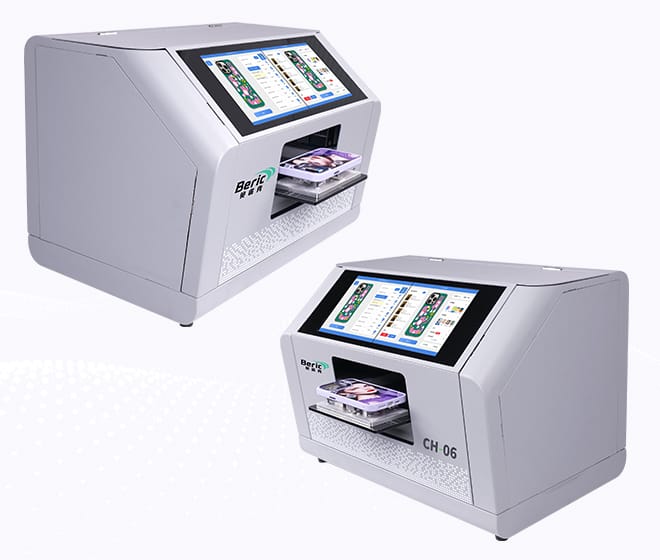
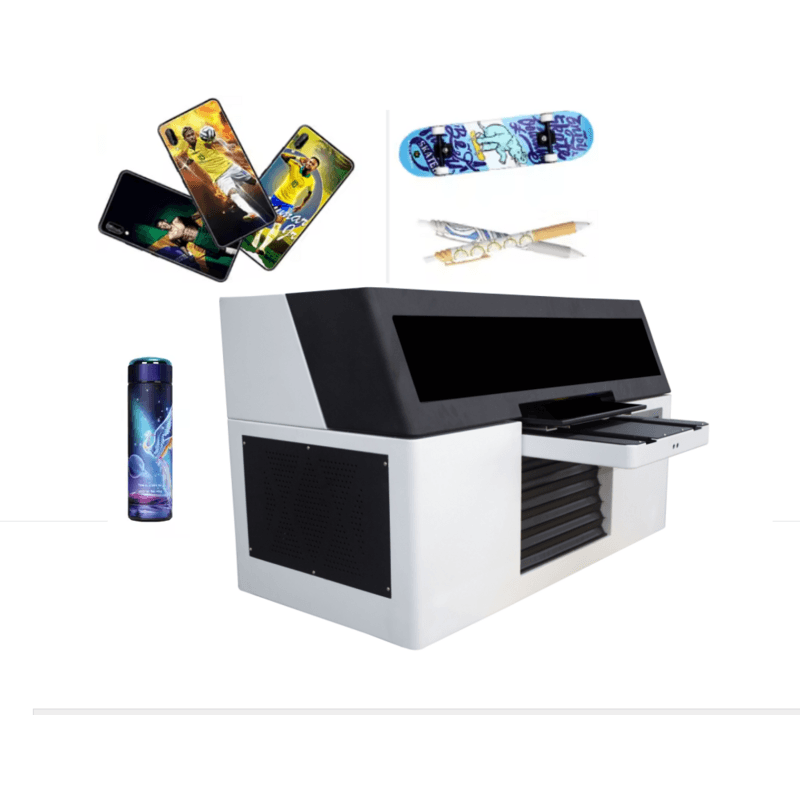
Compact UV flatbed printers are widely used for customized products such as phone cases, gifts, promotional items, nameplates, and decorative products.
Signage and Advertising
Large-format UV printers can produce signs, display boards, acrylic graphics, promotional panels, and other advertising materials.
Packaging Printing
UV printing can be used for short-run packaging, prototypes, boxes, labels, and customized packaging designs.
Industrial Product Decoration
UV digital printing is also used for direct printing and surface decoration of industrial products and components. Specialized configurations can support cylindrical objects and other irregular surfaces.
UV Printing Machine Selection Factors
For commercial buyers, the following specifications should be evaluated before purchasing a UV printer:
- Maximum printing size
- Printhead configuration
- Printing speed
- Resolution
- Ink configuration
- White ink system
- UV LED curing system
- Vacuum table
- Media thickness
- Material compatibility
- RIP software
- Ink consumption
- Machine maintenance
- Spare parts availability
- Technical support
The right combination of these specifications can provide better production efficiency and lower long-term operating costs.
UV Printer for Different Production Requirements
Small businesses and customized product manufacturers may prefer compact UV flatbed machines with flexible media handling and relatively low operating costs.
Signage companies and advertising manufacturers may require large-format UV flatbed or hybrid printers for larger substrates and higher production volumes.
Businesses producing flexible materials can benefit from roll-to-roll UV printing systems designed for continuous production.
For industrial applications, customized UV printing equipment may be required to accommodate specific product dimensions, printing surfaces, ink requirements, and production processes.
Best UV Printing Machine for Business in 2026
A suitable UV printing machine should match the actual production environment rather than simply offer the highest advertised speed or resolution.
For buyers comparing UV printers in 2026, machine configuration, printhead technology, ink system, curing performance, material compatibility, production capacity, maintenance requirements, and after-sales support should all be considered together.
A reliable UV printer can provide high-quality direct-to-substrate printing while supporting customized production, short runs, variable graphics, and a wide range of commercial applications.