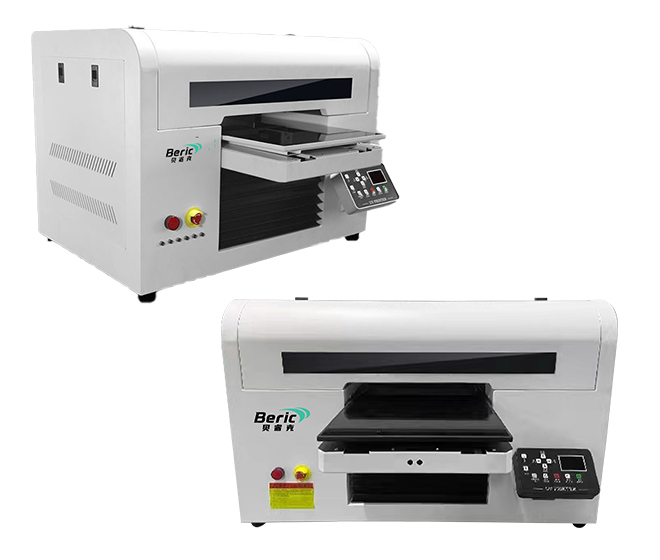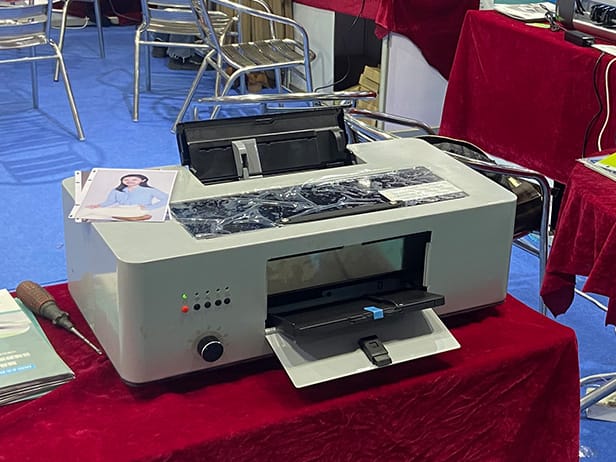
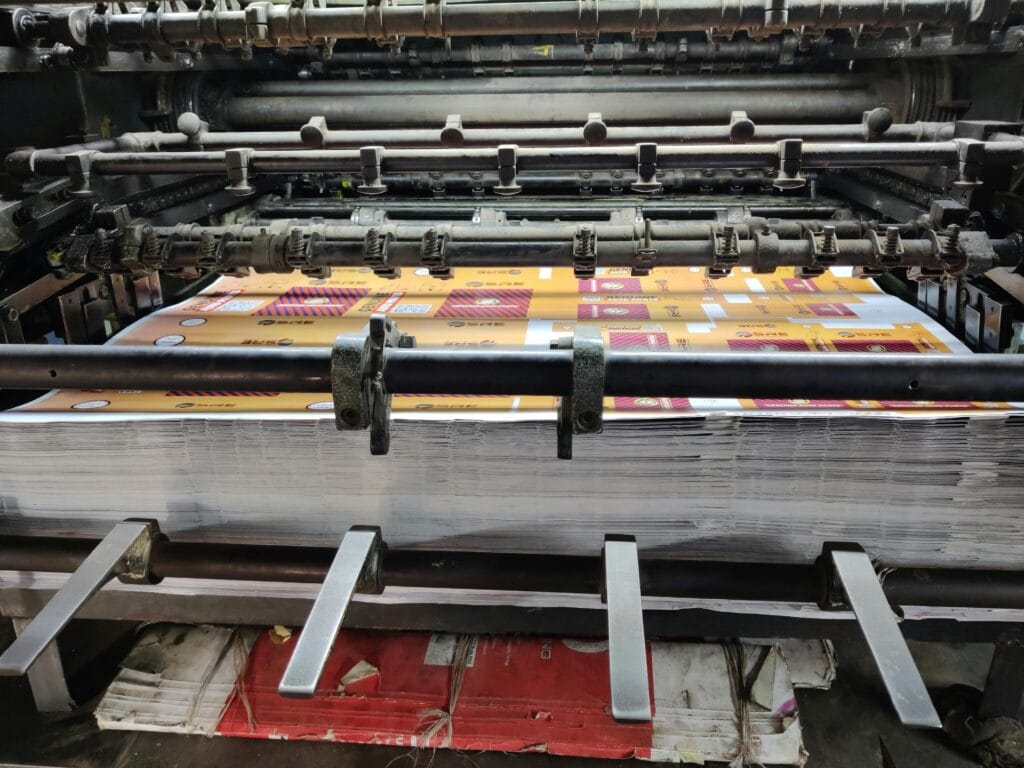
The UV printing machine industry is moving toward faster production, greater automation, broader material compatibility, and more flexible digital printing solutions. As businesses demand shorter production cycles and customized products, UV printing technology is becoming increasingly important across commercial, advertising, packaging, and industrial applications.
Higher Printing Speed and Production Efficiency
Future UV printing machines will place greater emphasis on production efficiency. Improvements in printhead technology, carriage movement, ink delivery, and UV curing systems will allow manufacturers to increase output without compromising print quality.
High-speed printing will be particularly important for commercial printing companies, signage manufacturers, and industrial users handling large production volumes.
Production efficiency will also depend on automated media loading, automatic positioning, optimized printing modes, and reduced machine downtime.
Greater Automation in UV Printing
Automation will become a major direction for UV printer development.
Future machines are expected to integrate more automated functions, including:
- Automatic media detection
- Automatic printhead height adjustment
- Automatic nozzle inspection
- Automatic cleaning systems
- Automated white ink circulation
- Ink level monitoring
- Remote machine monitoring
- Automatic error alerts
These functions can reduce manual intervention and make professional UV printing equipment easier to operate and maintain.
Advanced UV LED Curing Technology
UV LED curing systems will continue to develop alongside UV printing technology.
More efficient curing systems can provide better ink curing performance while reducing energy consumption and heat generation. Improved UV LED modules can also support higher printing speeds and more consistent curing across the printed surface.
Future UV printers will increasingly combine high-speed inkjet printing with optimized LED curing to improve overall production efficiency.
Expansion of White Ink and Special Effects
White ink will remain an important feature for professional UV printing machines.
It enables printing on transparent, dark, and colored materials while creating stronger contrast and more attractive graphics. Future ink systems are expected to provide better white ink circulation, reduced sedimentation, and more stable long-term operation.
Varnish and special-effect printing will also become more important. UV printers can produce gloss, matte, raised, and textured visual effects without requiring separate finishing processes.
Wider Material Compatibility
Material flexibility will remain one of the strongest development directions in the UV printing industry.
Future UV printing machines will support an increasingly broad range of substrates, including:
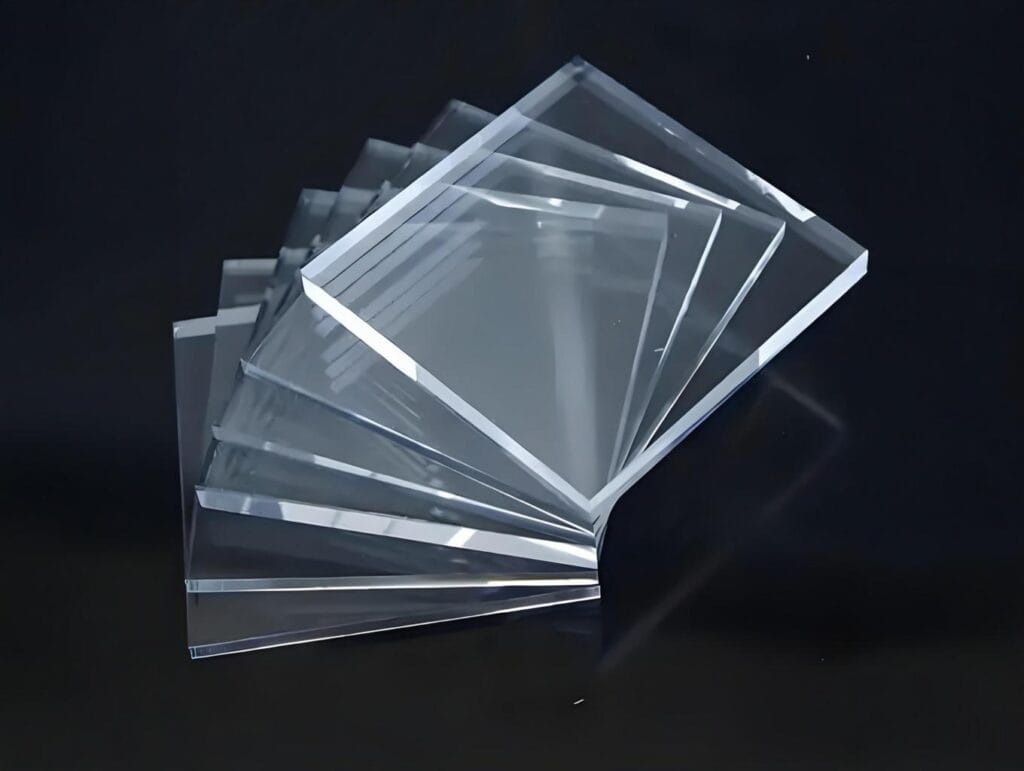
- Acrylic
- Glass
- Metal
- Wood
- Ceramic
- PVC
- Leather
- Plastic
- Flexible films
- Composite materials
Improved ink adhesion and curing technology will expand the range of applications available to UV printing equipment.
Growth of Direct-to-Object Printing
Direct-to-object printing is expected to become an important growth area.
Instead of printing only on flat sheets, specialized UV printing machines can be configured for bottles, cylinders, promotional products, containers, and other irregular surfaces.
Rotary printing systems and customized fixtures will allow manufacturers to expand UV printing into product decoration and personalized manufacturing.
More Demand for Customized Products
Consumer demand for personalized products is creating new opportunities for UV printing businesses.
Short-run production, variable graphics, personalized designs, and on-demand manufacturing can be completed without traditional plate-making processes.
This makes UV printing particularly attractive for:
- Phone cases
- Gifts
- Promotional products
- Nameplates
- Decorative panels
- Customized packaging
- Small-batch products
The continued growth of personalized manufacturing will support demand for compact and flexible UV printing machines.
UV Printing in Industrial Applications
UV printing is gradually expanding beyond traditional advertising and commercial printing.
Industrial applications include product identification, decorative surfaces, control panels, electronic components, packaging components, and specialized product markings.
Industrial users are increasingly looking for equipment that can integrate digital printing into existing production lines. This trend will encourage UV printer manufacturers to develop more specialized and automated solutions.
Development of Hybrid UV Printing Machines
Hybrid UV printing machines will continue to attract businesses that need both rigid and flexible media capabilities.
A single machine capable of handling different substrate types can provide greater production flexibility and reduce equipment investment.
Future hybrid machines are likely to offer faster media switching, improved positioning accuracy, and more automated production processes.
Intelligent Printing and Remote Monitoring
Digital connectivity will become increasingly important in professional UV printing equipment.
Machine monitoring systems can collect information about ink consumption, operating status, maintenance requirements, production time, and machine errors.
Cloud-based monitoring and remote diagnostics can help manufacturers and service teams identify problems more quickly and reduce unnecessary downtime.
Lower Operating Costs
Future UV printing machines will focus not only on higher output but also on lower operating costs.
Manufacturers are expected to improve:
- Ink utilization
- UV LED energy efficiency
- Printhead life
- Automatic maintenance
- Waste reduction
- Machine reliability
- Preventive maintenance systems
Lower ink consumption and reduced maintenance requirements can have a significant impact on the total cost of ownership for commercial UV printing businesses.
More Compact UV Printing Solutions
Alongside large industrial machines, compact UV printers will continue to serve small businesses and customized product manufacturers.
Compact equipment can provide professional printing capabilities while requiring less workspace and lower initial investment.
This segment is likely to remain important as more small businesses enter personalized product printing and on-demand manufacturing.
Sustainable UV Printing Development
Environmental considerations will increasingly influence UV printer development.
Energy-efficient UV LED curing, reduced material waste, digital short-run production, and lower dependence on traditional printing plates can contribute to more efficient production processes.
Manufacturers will continue to focus on energy consumption, ink efficiency, machine lifespan, and waste reduction as sustainability becomes a more important purchasing factor.
Future Market Opportunities for UV Printing Machines
The future growth of the UV printing machine industry will be closely connected with customization, digital manufacturing, industrial decoration, packaging, signage, and short-run production.
Businesses that require fast product changes and flexible printing capabilities will continue to create demand for UV digital printing equipment.
At the same time, advances in printheads, UV LED curing, ink chemistry, automation, and software will improve machine performance and expand the range of printable applications.
Conclusion
The future of the UV printing machine industry will be shaped by higher speed, greater automation, improved ink technology, wider material compatibility, intelligent monitoring, and expanding industrial applications.
UV printing equipment is moving from standalone digital printing toward more flexible and connected production solutions. Manufacturers that combine reliable hardware with advanced ink systems, automation, and application-specific configurations will be better positioned to meet the changing requirements of the global printing market.