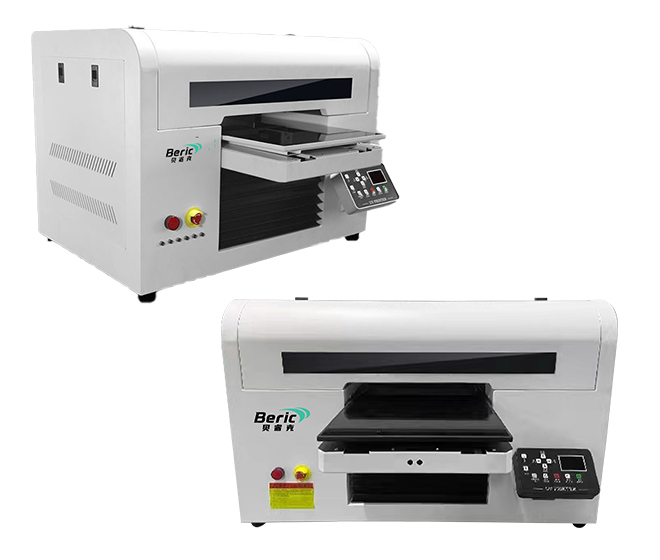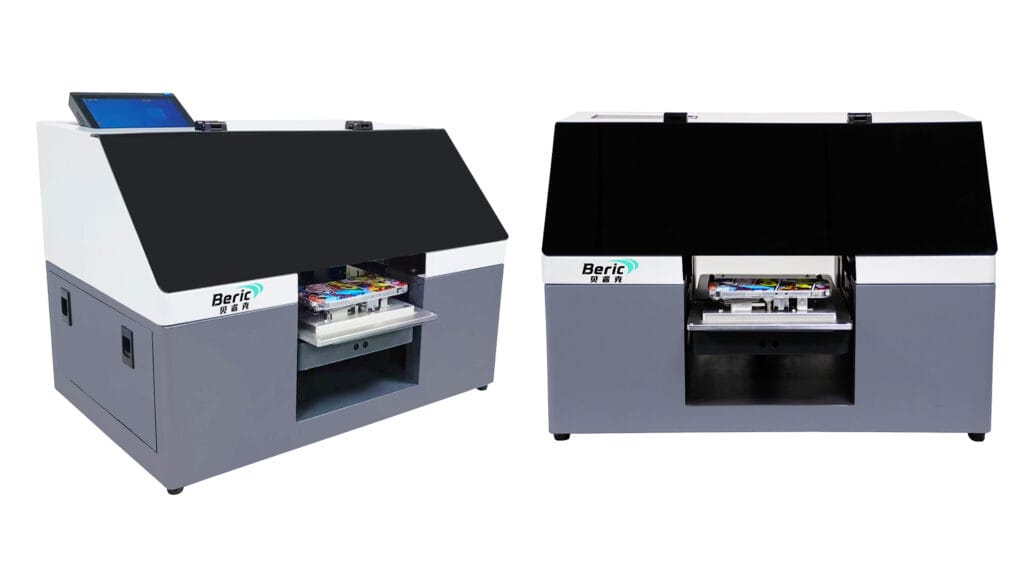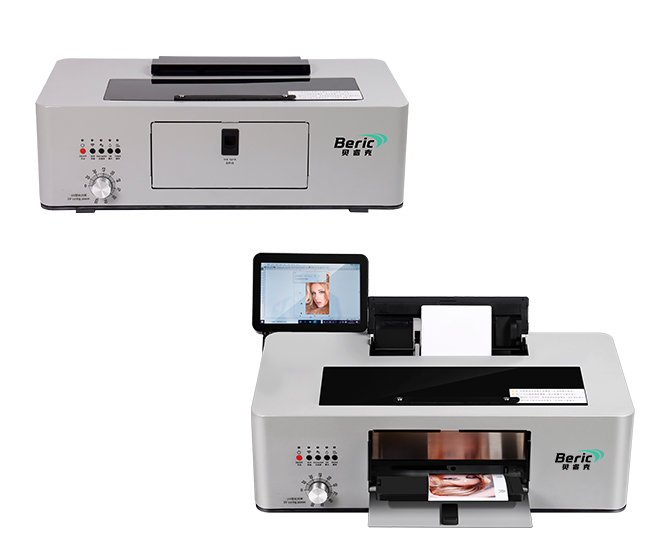

Buying a UV flatbed printer in 2026 is very different from buying one five years ago.
The market is more crowded, configurations look similar on paper, and price gaps are bigger than ever. If you only compare brochures, it’s easy to make a costly mistake.
Before you place an order, here are the things that actually matter — based on how UV flatbed printers are used in real print shops today.
1. Your Real Application Matters More Than Printer Specs
Most buyers start by asking about print heads, speed, or resolution.
Experienced buyers start with what they actually print every day.
Ask yourself:
- Are you mainly printing rigid materials like acrylic, wood, PVC, or glass?
- Do you handle custom orders or long production runs?
- Do you frequently change materials and thickness?
For example, a shop printing signage on PVC boards all day needs stability and consistency more than ultra-high resolution. A shop doing custom decorative items needs flexibility, easy setup, and reliable height adjustment.
If the printer doesn’t match your daily workflow, even the best specs won’t help.
2. Bed Size Is Not “Bigger Is Better”
In 2026, large-format UV flatbed printers are more affordable, but that doesn’t mean everyone should buy the biggest model available.
Consider:
- Your workshop space and material handling
- The actual maximum size of products you print
- How often you print full-bed jobs versus small items
Many print shops buy oversized machines “just in case” and end up wasting ink, power, and time on partial-bed printing.
A properly sized UV flatbed printer is often more profitable than a larger one running below capacity.
3. Print Speed vs. Usable Speed
Manufacturers love to advertise maximum print speed.
What matters to you is usable production speed.
In real operation:
- Higher speed often means lower ink density
- Some speeds are only achievable in draft modes
- Complex graphics slow down most machines
Ask for:
- Real sample prints at production settings
- Output examples similar to your own products
- Video or live demonstration, not just data sheets
A slightly slower printer with stable output is often better than a “fast” machine that requires constant adjustments.
4. Ink System and Curing Quality Are Critical
UV ink technology has improved, but curing issues are still common in 2026.
Pay attention to:
- Ink adhesion on different materials
- Scratch resistance after curing
- Smell and VOC levels for indoor environments
Cheap UV inks can reduce upfront cost but increase reprints, customer complaints, and maintenance issues later.
Good curing performance is especially important for glass, metal, and coated boards.
Always request printed samples on your own materials if possible.
5. Maintenance Is a Long-Term Cost, Not a Side Issue
Many buyers focus on the purchase price and ignore what happens after installation.
Before buying, clarify:
- How often print heads need cleaning
- Availability and cost of spare parts
- Remote support vs. on-site support options
- Average downtime reported by existing users
In 2026, downtime is often more expensive than the printer itself.
A slightly higher-priced UV flatbed printer with reliable support can save far more money over its lifetime.
6. Software Compatibility and Workflow Integration
Modern print shops rely heavily on workflow efficiency.
Check:
- RIP software compatibility
- File format support
- Ease of color management
- Learning curve for operators
A powerful printer is useless if your team struggles to operate it smoothly.
Ask whether software updates are included and how often they are released.
7. Manufacturer Experience Still Matters
The UV flatbed printer market keeps growing, but not all manufacturers have the same level of experience.
Look for:
- Years of focus on UV printing (not just “recently added”)
- Consistent machine models, not constantly changing designs
- Real installation cases in your target markets
In 2026, many buyers prefer manufacturers who can provide stable models, proven configurations, and clear upgrade paths.
Final Thought
Buying a UV flatbed printer in 2026 is less about chasing the latest feature and more about choosing a machine that fits your business reality.
If a supplier only talks about speed, resolution, and low price, that’s a warning sign.
A good supplier will ask about your materials, production volume, and long-term plans — because that’s where real value comes from.