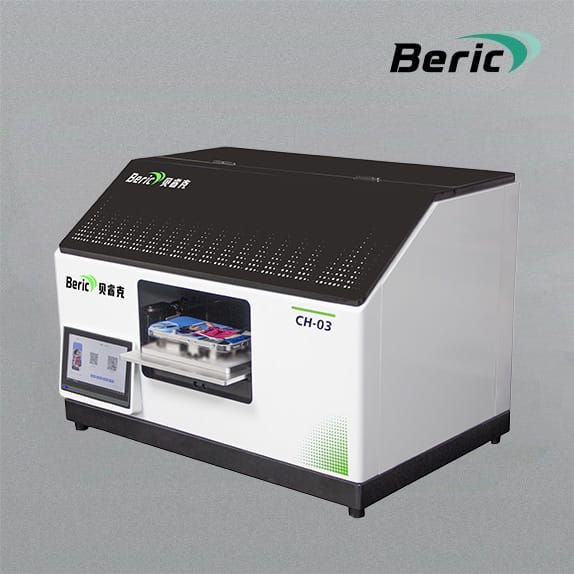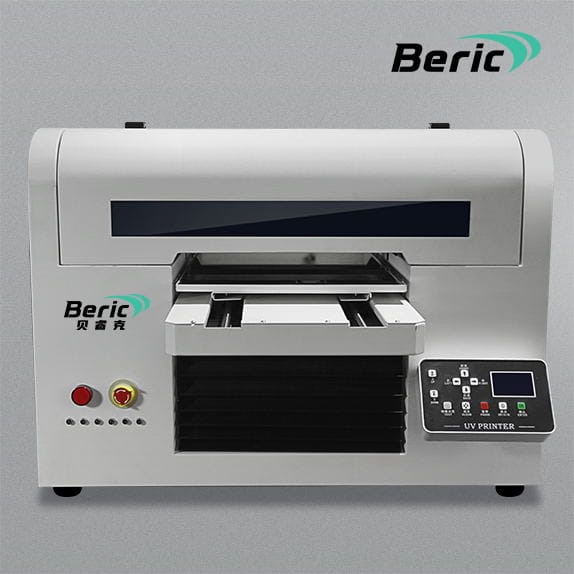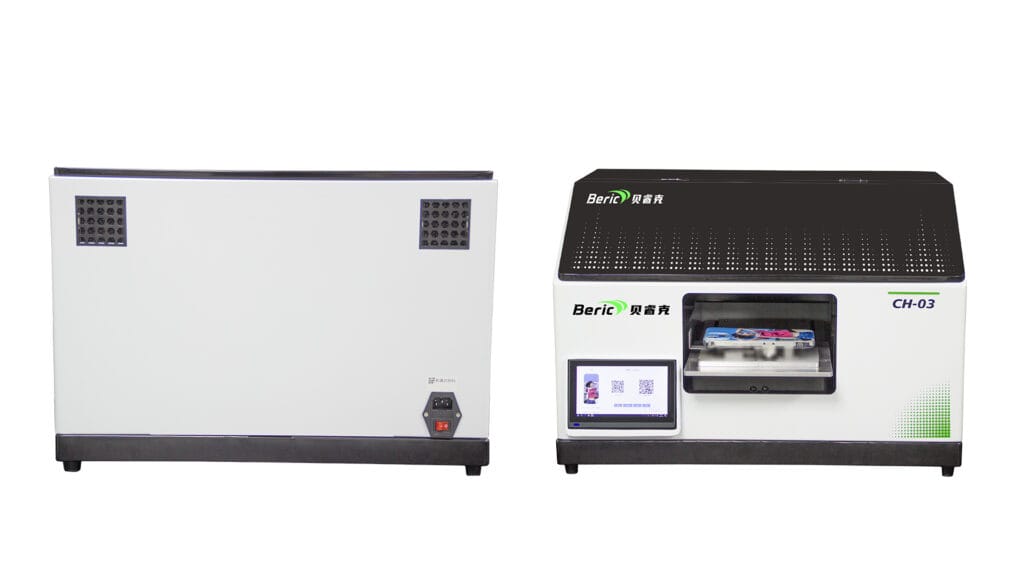
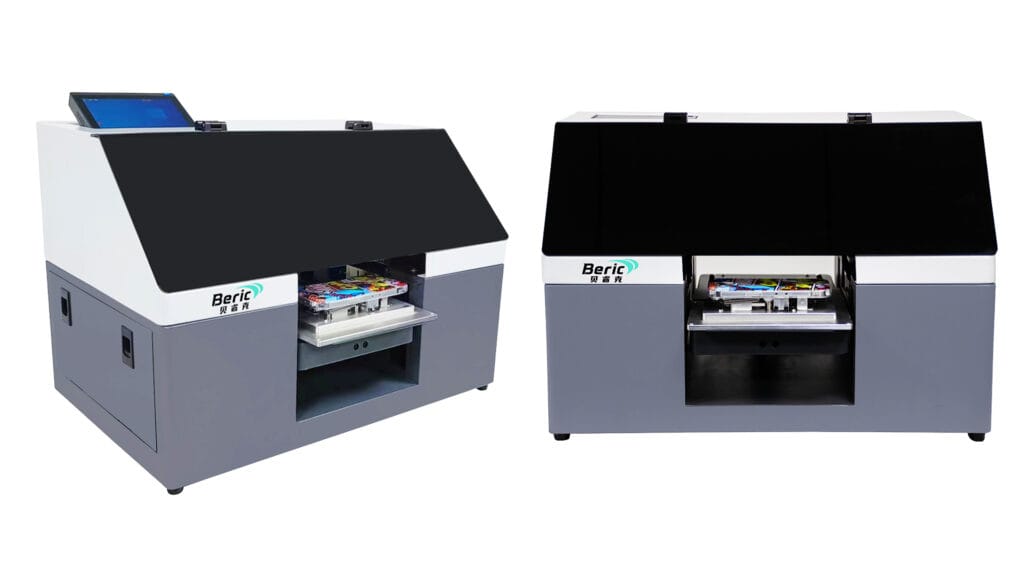
Buying a desktop UV printer requires more than comparing machine prices. You need to make sure the printer matches your materials, printing requirements, and daily workload.
Here are six important factors to check before making a purchase.
1. Printing Size and Object Height
Check the maximum printing area and supported object height. Make sure the machine can accommodate your typical products, such as phone cases, acrylic items, promotional gifts, and small signs.
2. Material Compatibility
Confirm that the printer can handle your intended materials, including plastic, acrylic, glass, wood, metal, and leather. Request actual print samples to check ink adhesion and surface quality.
3. Print Quality and White Ink
Evaluate fine details, color accuracy, and small text reproduction. If you plan to print on dark or transparent materials, check whether the printer supports white ink as an underlayer.
Also consider whether varnish printing is available for gloss or textured effects.
4. Printhead and Ink System
Ask about the printhead model, ink compatibility, replacement costs, and maintenance requirements. White ink circulation and printhead cleaning functions are particularly important for long-term operation.
5. Printing Speed and Software
Check actual printing times under your intended resolution and print settings. Also confirm that the included RIP software supports white ink, varnish layers, and your commonly used file formats.
6. Maintenance and Operating Costs
Look beyond the initial machine price. Consider ink consumption, printhead replacement, cleaning supplies, spare parts, and technical support.
A printer with a lower purchase price may have higher long-term operating costs.
Request a Sample Before Buying
Before placing an order, ask the supplier to print your own artwork on your target materials.
Check color output, fine details, white ink coverage, and ink adhesion. This is one of the most reliable ways to determine whether a desktop UV printer meets your expectations.
Final Thoughts
The right desktop UV printer should match your products, materials, and production needs. Carefully evaluating print quality, material compatibility, maintenance, and operating costs can help you make a more informed purchasing decision.