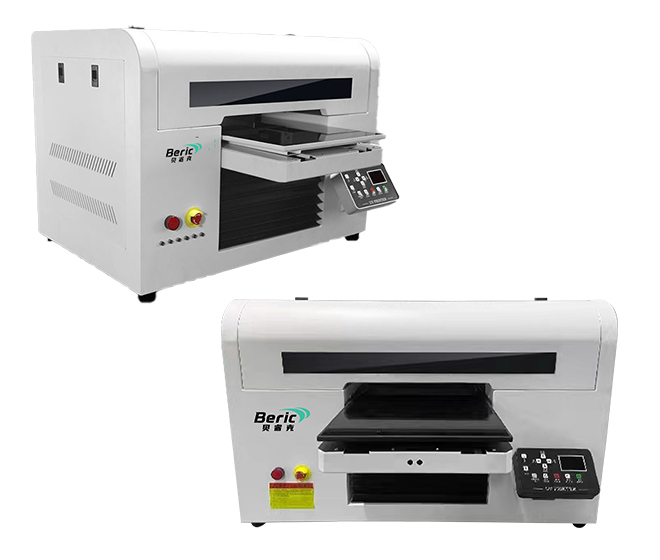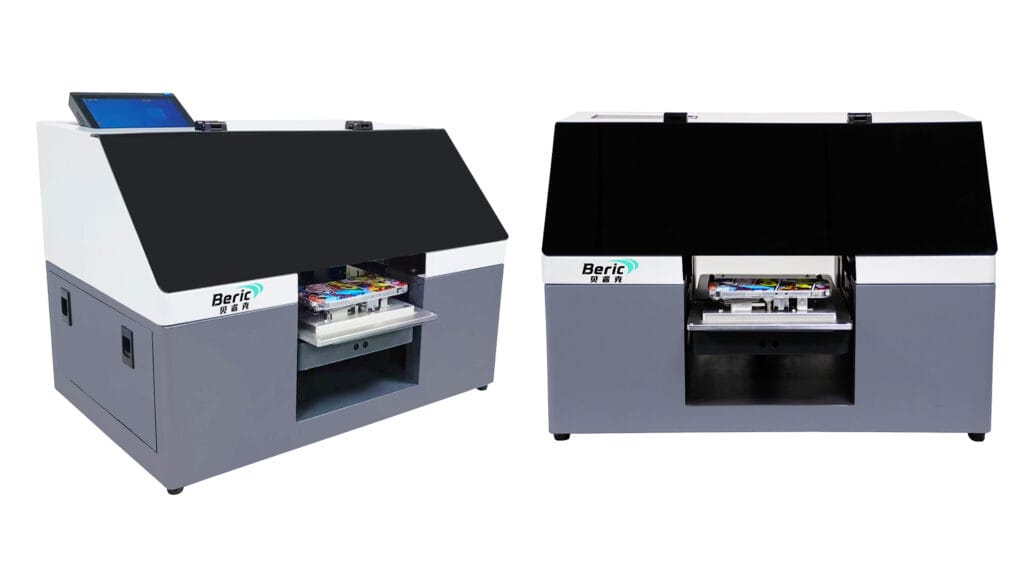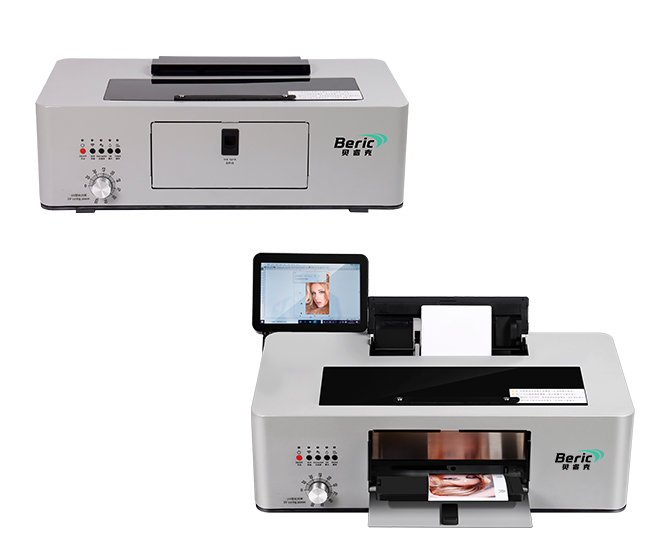
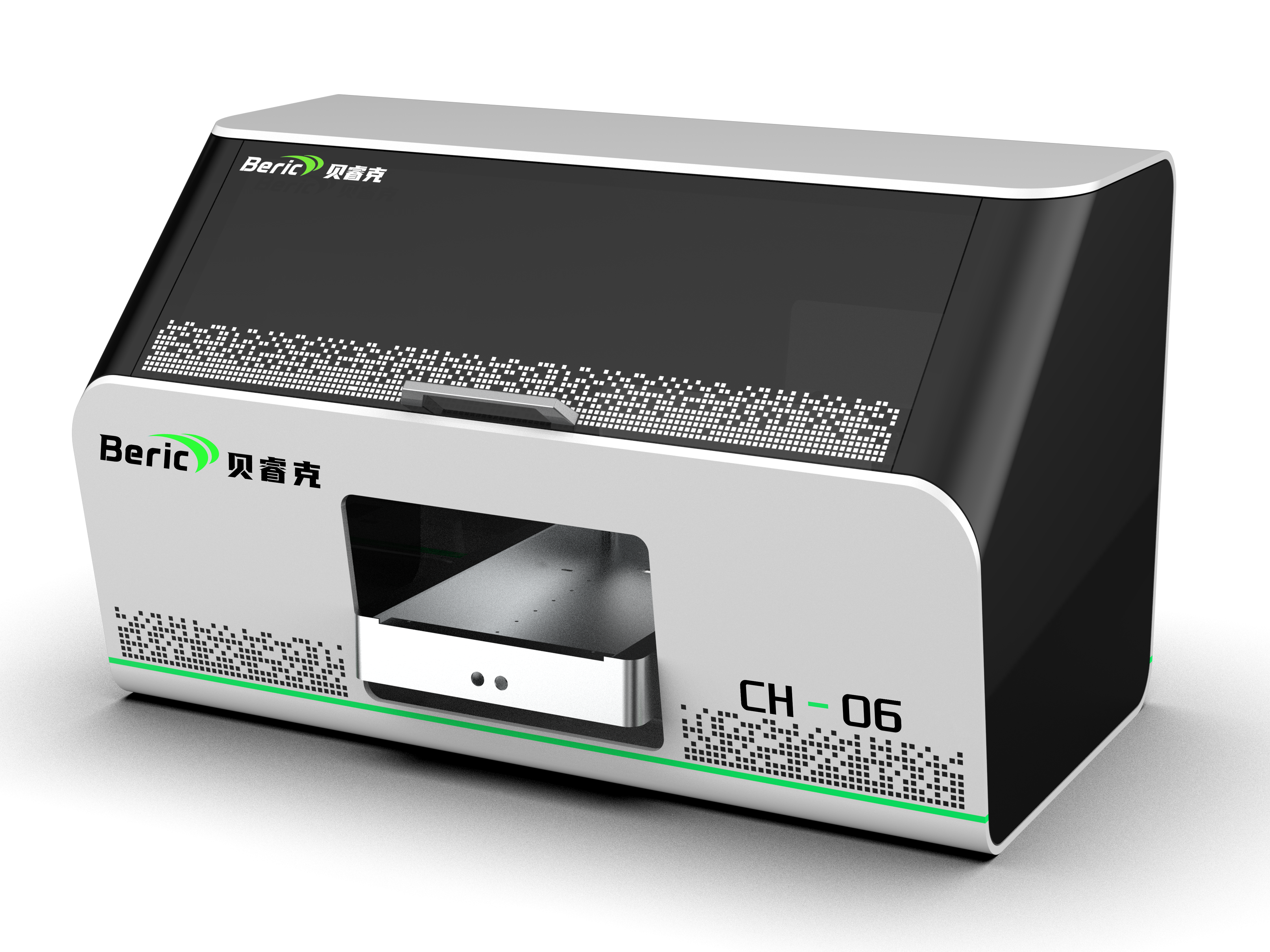
UV flatbed printers have become an important solution for modern digital printing industries. Unlike traditional printing methods that are limited to paper or flexible media, UV flatbed printing technology allows direct printing on a wide range of rigid and flat materials.
From advertising signage and personalized gifts to industrial manufacturing and custom packaging, UV flatbed printers are now widely used across many industries because of their flexibility, high-quality output, and efficient production workflow.
In this article, we explore the most common UV flatbed printer applications, the materials that can be printed, and how businesses use UV printing technology to expand production capabilities.
What Is a UV Flatbed Printer?
A UV flatbed printer is a digital printing machine that prints directly onto flat or rigid materials using UV-curable ink.
During printing, ultraviolet lamps instantly cure the ink on the material surface, allowing the print to dry immediately.
Compared with traditional printing methods, UV flatbed printers offer several advantages:
- Direct-to-substrate printing
- Full-color printing capability
- High-resolution image quality
- Fast production speed
- Wide material compatibility
- Reduced setup time
Modern UV printing machines can print on materials with different thicknesses and textures, making them suitable for both industrial production and custom product businesses.
Common Materials Used in UV Flatbed Printing
One of the biggest advantages of UV flatbed printers is material versatility.
Popular Printable Materials
- Acrylic
- Glass
- Wood
- Metal
- PVC
- Foam board
- Leather
- Ceramic
- Aluminum composite panels
- Plastic
- MDF
- Corrugated board
Many industrial UV printers can also print on textured or coated surfaces with proper ink and curing settings.
1. Advertising and Signage Industry
The advertising industry is one of the largest users of UV flatbed printing technology.
UV printers are commonly used to produce:
- Indoor signs
- Outdoor signage
- Acrylic displays
- Retail graphics
- Exhibition panels
- Point-of-sale displays
Because UV printing provides vibrant colors and weather-resistant output, it is highly suitable for commercial signage production.
Why UV Printing Is Popular for Signage
- Direct printing on rigid boards
- Durable outdoor graphics
- High-resolution text and images
- Fast turnaround time
UV flatbed printers help sign shops reduce production steps compared with vinyl mounting or screen printing methods.
2. Customized Promotional Products
Personalized products have become a growing market worldwide.
A UV flatbed printer allows businesses to print directly on customized items such as:
- Phone cases
- Keychains
- USB drives
- Promotional gifts
- Nameplates
- Corporate branding products
Small businesses and e-commerce sellers often use compact UV printers for short-run customized production.

3. Packaging and Industrial Printing
UV flatbed printing is increasingly used in packaging applications.
Common Packaging Uses
- Custom boxes
- Luxury packaging
- Product samples
- Corrugated packaging prototypes
- Brand packaging displays
UV printing supports fast design changes without requiring expensive plates or screens.
This makes it especially useful for short-run packaging production and prototype development.
4. Wood and Furniture Decoration
The furniture and interior decoration industries also use UV flatbed printers for decorative printing.
Applications include:
- Wooden panels
- Cabinet doors
- Decorative boards
- Furniture surfaces
- Interior wall decoration
UV printing technology allows direct printing of wood grain textures, artwork, and decorative patterns onto flat wooden materials.
5. Glass and Ceramic Printing
UV flatbed printers are widely used for decorative printing on glass and ceramic products.
Typical Applications
- Decorative glass panels
- Ceramic tiles
- Interior decoration
- Customized home products
- Bathroom panels
With proper primer treatment, UV ink can achieve strong adhesion on glass surfaces.
6. Industrial Product Identification
Many manufacturers use UV printing for industrial marking and product identification.
Applications include:
- Control panels
- Equipment labels
- Industrial nameplates
- Electrical enclosures
- Instrument panels
UV printing offers precise detail and durable graphics suitable for industrial environments.
7. Leather and Fashion Accessories
UV flatbed printers are also used in leather product customization.
Common products include:
- Wallets
- Handbags
- Notebook covers
- Leather tags
- Fashion accessories
UV printing allows full-color graphics and personalized designs directly on leather surfaces.
8. Acrylic Product Printing
Acrylic is one of the most popular materials for UV flatbed printing.
Common Acrylic Applications
- LED signs
- Retail displays
- Brand logos
- Trophy plaques
- Decorative panels
UV printing on acrylic produces vibrant colors and sharp image quality, making it ideal for premium display products.
9. Mobile Phone Case Printing
The phone accessory market is a major application area for UV printers.
Businesses use UV flatbed printers to create:
- Customized phone cases
- Personalized designs
- Brand merchandise
- Short-run product collections
This market is especially popular among online sellers and print-on-demand businesses.
10. Personalized Gift Production
UV flatbed printers are widely used in gift customization businesses.
Popular products include:
- Trophies
- Personalized plaques
- Customized notebooks
- Gift boxes
- Souvenirs
Because UV printing supports small-batch production, it is ideal for personalized orders and seasonal products.
Why Businesses Choose UV Flatbed Printers
1. Multi-Material Printing
A single UV printing machine can handle many different products and materials.
This helps businesses expand product offerings without purchasing multiple specialized machines.
2. Short-Run Production Capability
UV printing is suitable for:
- Customized orders
- Small-batch production
- Prototype printing
- On-demand manufacturing
Unlike traditional printing methods, UV printing requires minimal setup.
3. High Print Quality
Modern UV printers provide:
- High-resolution graphics
- Vibrant colors
- White ink printing
- Gloss varnish effects
- Texture printing capability
These features are important for premium products and branding applications.
4. Fast Production Workflow
UV-curable inks dry instantly during printing, reducing waiting time and improving production efficiency.
This is especially valuable for commercial printing businesses handling multiple orders daily.
Choosing the Right UV Flatbed Printer
When selecting a UV flatbed printer, businesses should consider:
Print Size
Choose a machine according to your product dimensions and production volume.
Ink Compatibility
Different applications may require:
- Flexible UV ink
- Hard UV ink
- White ink
- Varnish ink
Material Thickness
Industrial UV printers often support thicker materials for signage and industrial applications.
Production Speed
Commercial production environments may require higher-speed UV printing systems.
Technical Support
Reliable after-sales support is important for long-term operation and maintenance.
Future Trends in UV Flatbed Printing
As customization demand continues to grow, UV flatbed printing technology is expected to expand further into:
- Personalized manufacturing
- Smart packaging
- Industrial decoration
- Interior design
- Short-run production markets
Advancements in UV ink technology and printhead performance are also improving print quality and production efficiency.
Final Thoughts
UV flatbed printer applications continue to expand across industries because of the technology’s flexibility, efficiency, and ability to print directly on multiple materials.
From signage and packaging to customized gifts and industrial products, UV printing technology provides businesses with new opportunities for product customization and short-run manufacturing.
Whether you operate a print shop, promotional product business, furniture factory, or industrial manufacturing company, investing in a professional UV flatbed printer can help improve production capabilities and expand business opportunities in the growing digital printing market.