If you’re comparing a small UV printer with a large UV flatbed printer, you’re probably not asking which one is “better”.
You’re asking which one actually fits your business right now.
The wrong choice usually isn’t about print quality — it’s about buying too big or too small.
Let’s break it down in a practical way.
What People Mean by a Small UV Printer
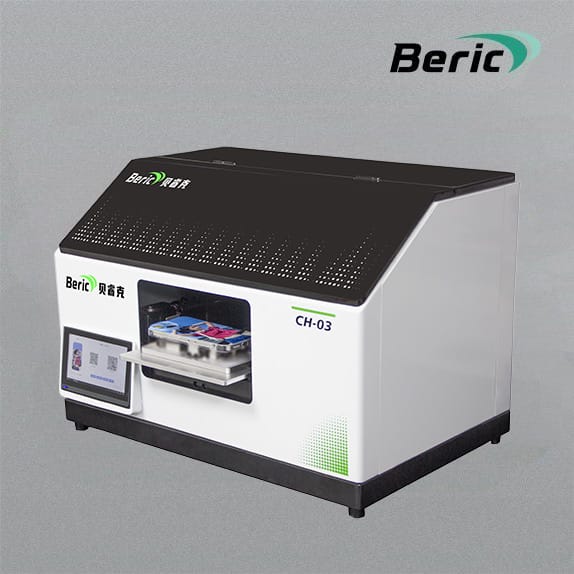
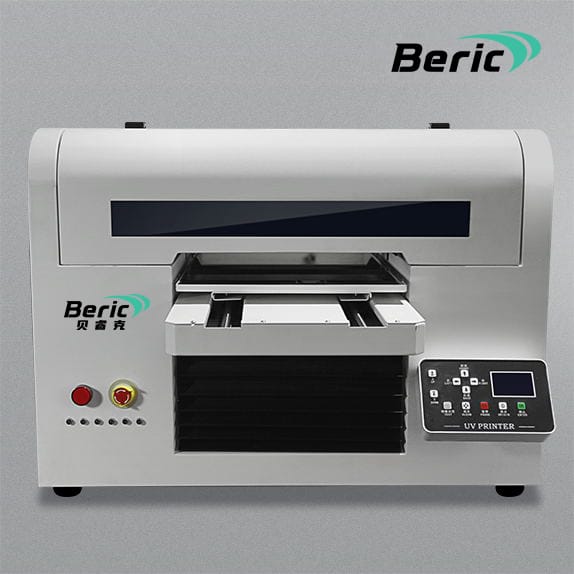
A small UV printer is typically a compact flatbed UV printer designed for limited workspace and smaller products. Common applications include:
-
Phone cases
-
Promotional items
-
Small wood panels
-
Acrylic signs
-
Custom gifts
These machines focus on flexibility and ease of use rather than maximum throughput. Many small workshops and startups begin here because setup, power requirements, and learning curve are manageable.
What a Large UV Flatbed Printer Is Built For
A large UV flatbed printer is designed for panel-sized materials and continuous production:
-
Furniture boards
-
Doors and cabinets
-
Large signage
-
Glass, metal, and oversized acrylic sheets
It’s not just about print size — these machines assume higher daily volume, more space, and more operational complexity.
The Real Decision Factors (Not the Specs Sheet)
1. Product Size Comes First
If 80–90% of your products fit comfortably on a small flatbed, a large UV printer won’t magically improve your business.
But if you’re constantly tiling images or cutting boards down just to fit, you’ll outgrow a small UV printer fast.
2. Production Volume Matters More Than Speed
Large UV flatbeds are faster — but only useful if you actually run them all day.
For low to medium volume custom work, a small UV printer often finishes jobs without becoming a bottleneck.
3. Space and Workflow Are Often Ignored
Large flatbeds need room — not just for the machine, but for loading, unloading, and material storage.
Many buyers underestimate this and regret it later.
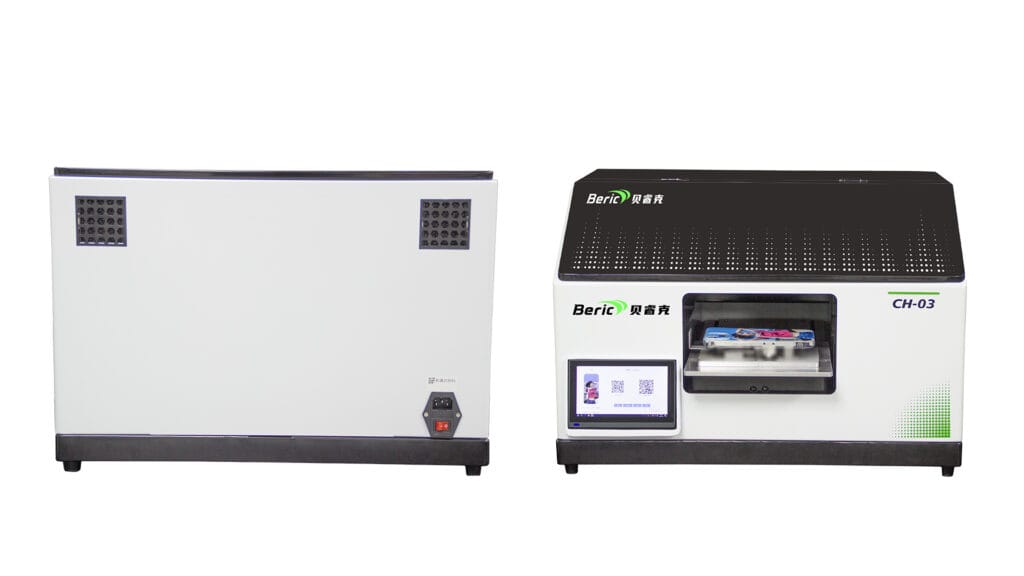
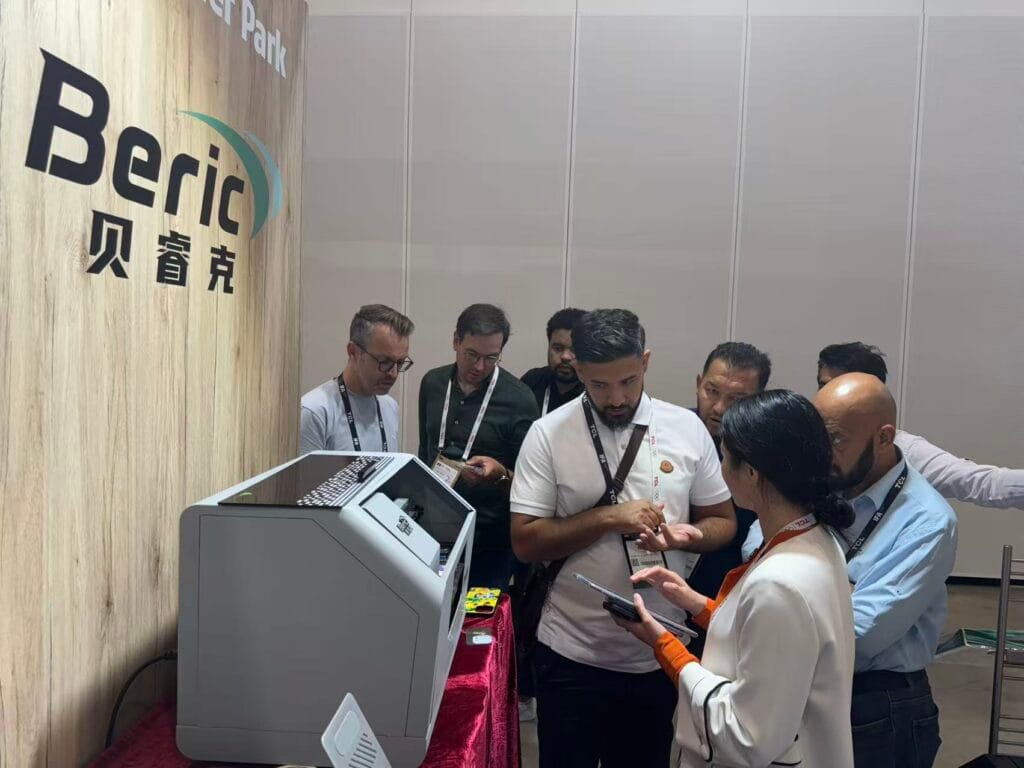
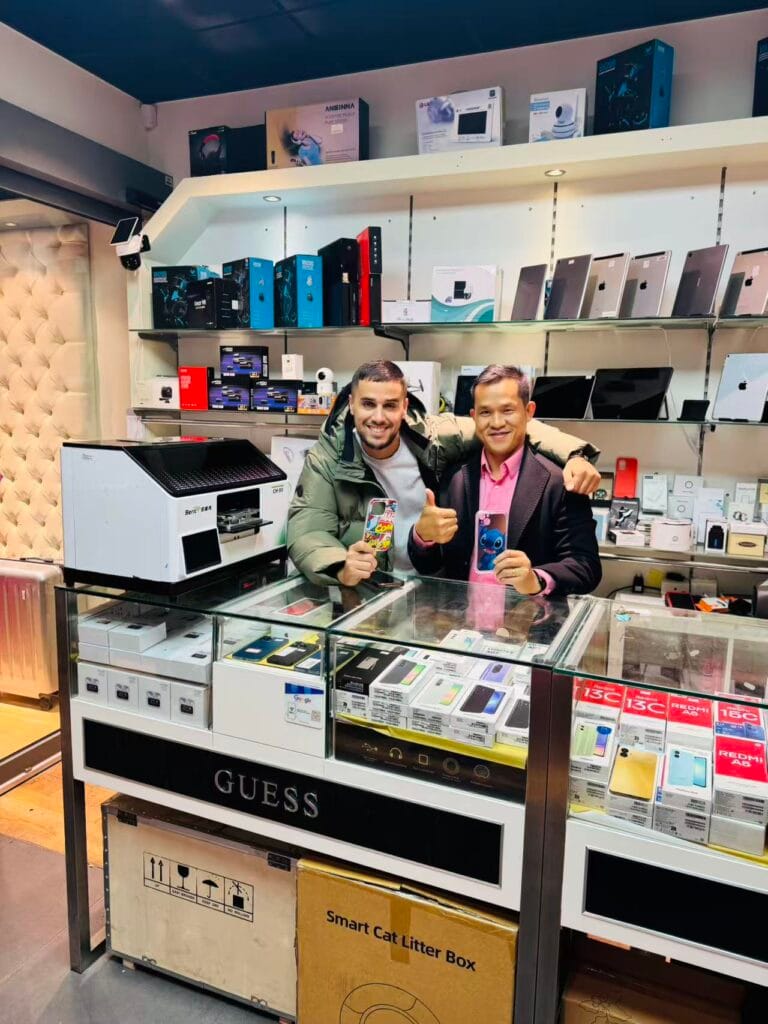
This is why compact setups like a Beric UV printer in small flatbed configuration are popular with studios that work in limited space but still need professional UV print quality.
4. Cost Isn’t Just the Purchase Price
Beyond the machine itself, consider:
-
Power consumption
-
Ink usage
-
Maintenance
-
Downtime risk
For many small businesses, a small UV printer delivers a faster return on investment simply because it’s easier to keep busy.
Small UV Printer vs Large UV Flatbed: A Simple Rule
Choose a small UV printer if:
-
You focus on custom, short-run products
-
Your materials are mostly small to medium size
-
You want flexibility over raw speed
-
You’re testing or scaling a business
Choose a large UV flatbed printer if:
-
You print large panels daily
-
Your orders are consistent and high-volume
-
You have space, staff, and workflow ready
Where Beric UV Printers Fit In
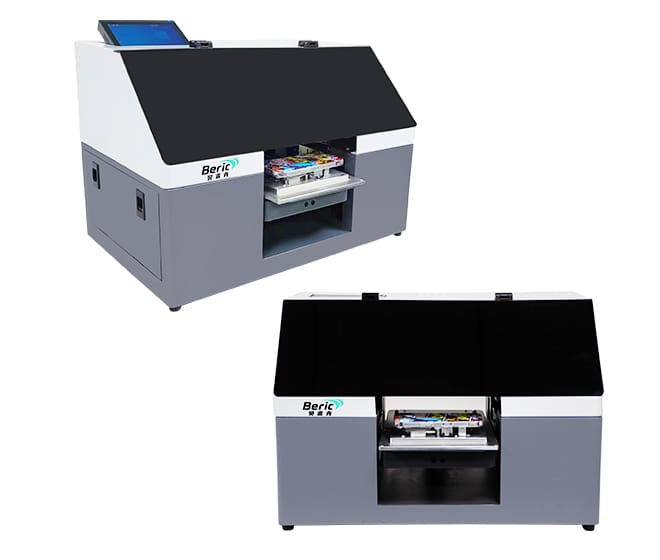
One reason people look at Beric UV printers is that they offer both compact UV printers and larger flatbed UV systems, using the same core UV technology. That makes it easier to start small and scale later without completely changing how you print.
For many users, starting with a small UV printer isn’t a compromise — it’s a controlled entry point.
Final Thought
The question isn’t small vs large.
It’s right now vs later.
A small UV printer can be the right tool for years if it matches your products and volume. A large UV flatbed only makes sense when your workflow truly demands it.
Buy for the jobs you actually have — not the ones you hope to get.